The Birth of Suburban Perfection
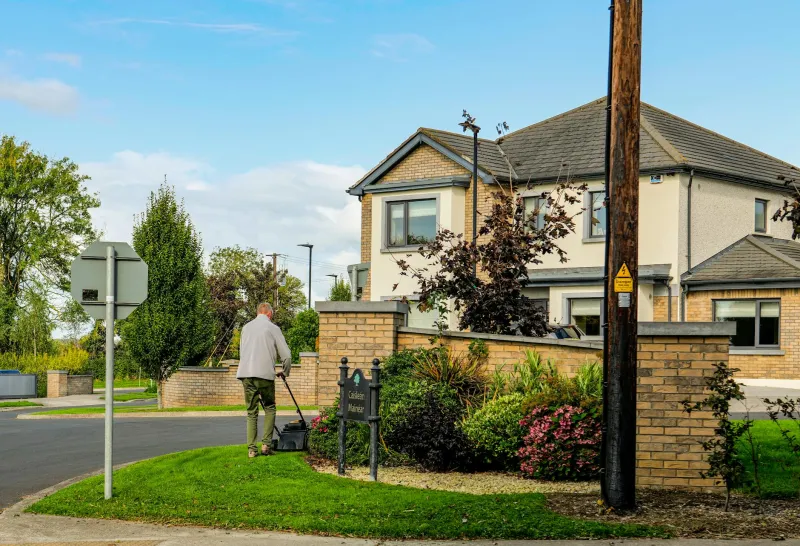
In 1952, nothing said "I've made it" quite like a perfectly manicured lawn. As millions of Americans moved to brand-new subdivisions from Levittown to Los Angeles, the front yard became a canvas for displaying success, conformity, and middle-class values.
Bill Henderson bought his first house in Westchester County, New York, that year. Like his neighbors, he spent Saturday mornings pushing a manual mower across his quarter-acre of grass, edging with precision, and feeling genuine pride when passersby complimented his lawn.
"It was what you did," Henderson recalls. "A nice lawn meant you were a good neighbor, a responsible homeowner. Nobody questioned it."
The postwar lawn represented everything Americans wanted to believe about their future: order, prosperity, and endless green growth. Developers planted grass because it was cheap and fast. Homeowners maintained it because it was expected. And everyone agreed that brown spots, dandelions, or—heaven forbid—bare dirt were signs of personal failure.
This wasn't just aesthetics. It was ideology.
The Chemical Revolution Comes Home
By the 1960s, maintaining that perfect lawn had become a science project. Chemical companies, flush with wartime research into pesticides and fertilizers, found a eager new market in suburban homeowners.
Scotts Turf Builder promised "the greenest lawn in the neighborhood." ChemLawn (later TruGreen) pioneered the lawn care service industry, bringing professional-grade chemicals to residential properties. Hardware stores dedicated entire aisles to herbicides, fungicides, and fertilizers with names like "Weed-B-Gon" and "Super Turf."
The average American homeowner in 1970 applied more chemicals per square foot to their lawn than many commercial farmers used on food crops. DDT was still legal for residential use. 2,4-D herbicide—originally developed as a component of Agent Orange—became the backbone of suburban weed control.
Jim Crawford of Phoenix remembers the routine: "Spring meant fertilizer, summer meant watering twice a day, fall meant pre-emergent herbicide. We had a whole garage full of chemicals. Nobody thought twice about it."
The results were undeniably impressive. American suburbs became showcases of botanical uniformity, with emerald carpets stretching from coast to coast.
The Water Wars Begin
By the 1990s, cracks were starting to show in the lawn paradigm—literally. As populations boomed in water-scarce regions like Arizona, Nevada, and Southern California, the environmental cost of maintaining green grass in the desert became impossible to ignore.
Las Vegas, a city built in one of America's driest regions, was using 70% of its residential water on landscaping. Phoenix homeowners were drilling deeper wells as aquifers dropped. California faced recurring droughts that made lawn watering a political issue.
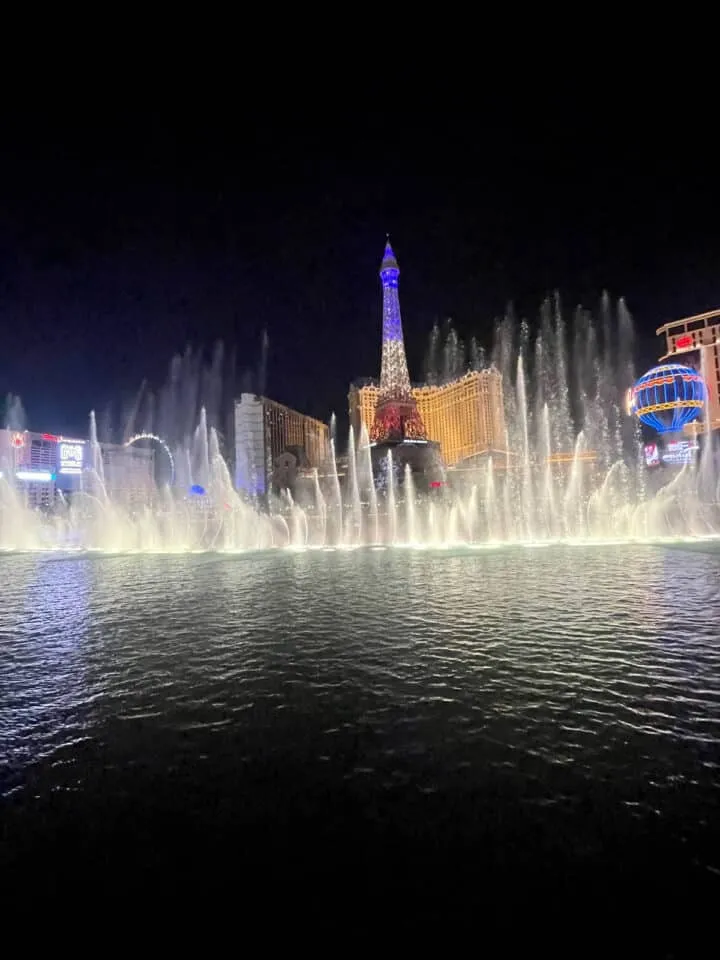 Photo: Las Vegas, via kellystilwell.com
The math was stark: a typical suburban lawn requires about an inch of water per week during growing season. In arid regions, that meant applying the equivalent of 30 inches of rainfall annually to areas that naturally received less than 10.
"We were literally pumping rivers dry to keep grass green in places where grass never grew naturally," says Dr. Maria Santos, a water policy researcher at Arizona State University. "It was ecological madness, but nobody wanted to be the first to let their lawn die."
 Photo: Arizona State University, via cdn.stateuniversity.com
The Rebellion Spreads
The first cracks in lawn culture appeared in unexpected places. Environmentally conscious homeowners began questioning why they were spending thousands of dollars and countless hours maintaining a monoculture that provided no food, supported no wildlife, and required constant chemical intervention.
By the 2000s, the "No Mow" movement was gaining momentum. Native plant gardens began replacing Kentucky bluegrass in progressive neighborhoods. Cities started offering rebates for lawn removal. The concept of "xeriscaping"—landscaping designed for water conservation—moved from environmental fringe to mainstream consideration.
Sarah Williams of Austin, Texas, ripped out her front lawn in 2015, replacing it with native wildflowers and drought-resistant shrubs. "My neighbors thought I was crazy," she says. "Now half the street has followed suit. We realized we were slaves to something that made no sense."
The change wasn't just environmental. A new generation of homeowners, raised on concerns about chemical exposure and climate change, began seeing the perfect lawn as a symbol of everything wrong with suburban culture: wasteful, artificial, and conformist.
The HOA Holdouts
But lawn culture didn't go quietly. Homeowners' associations, those guardians of suburban uniformity, doubled down on grass requirements. Legal battles erupted across the country as environmentally conscious homeowners clashed with HOA boards demanding Kentucky bluegrass conformity.
In Colorado, Xeriscape gardens were banned by HOAs as "unsightly." In Florida, native plant enthusiasts faced fines for replacing St. Augustine grass with indigenous alternatives. The lawn had become a battleground between environmental responsibility and social conformity.
"We're seeing a cultural war played out in front yards," explains suburban studies professor Dr. Robert Chen at UC Davis. "The lawn represents competing visions of what American neighborhoods should be."
The New American Yard
Today's homeowners face choices their grandparents never imagined. Smart irrigation systems can reduce water usage by 30%. Drought-resistant grass varieties promise green lawns with half the water. Artificial turf eliminates chemicals and watering entirely, though at the cost of looking, well, artificial.
Meanwhile, a growing movement advocates for "food forests," vegetable gardens, and native plant landscapes that support local ecosystems while requiring minimal inputs. Apps help homeowners identify native plants suited to their specific region. Online communities share strategies for transitioning away from traditional lawns.
The perfect lawn of 1952 required ignorance—of water systems, chemical impacts, and ecological relationships. Today's yard choices require knowledge, research, and often courage to defy neighborhood expectations.
From Symbol to Battleground
The American lawn's journey from status symbol to environmental battleground reflects broader changes in how we think about nature, community, and responsibility. What once represented prosperity and conformity now forces homeowners to choose between tradition and sustainability.
Bill Henderson, now 94, watches his old neighborhood transform. Some lawns remain pristine and green, maintained by professional services. Others have given way to xeriscapes, vegetable gardens, and wild meadows. The uniformity that once defined suburban success has fractured into a patchwork of competing values.
"I understand why people are changing," he says. "But I still think there's something beautiful about a well-maintained lawn. Maybe that makes me old-fashioned."
Perhaps that's exactly the point. The lawn wars aren't really about grass—they're about what kind of future Americans want to cultivate in their own backyards. And for the first time since the suburbs were born, there's no consensus on what that should look like.