The $12 Promise
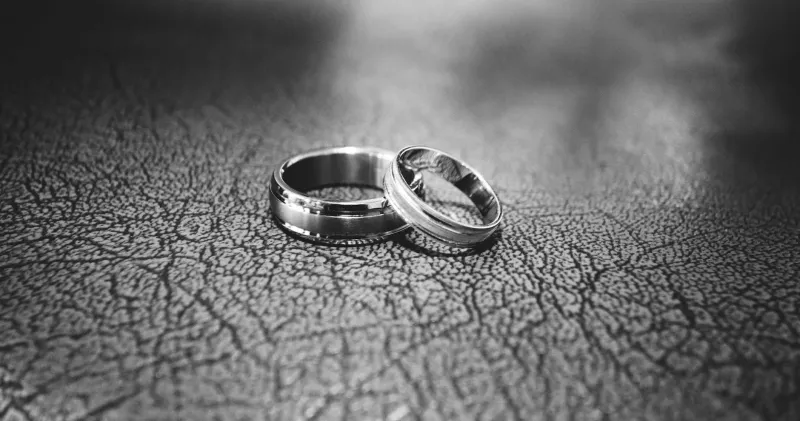
In 1935, Robert McKenzie walked into Woolworth's Five and Dime in downtown Detroit and bought a simple gold band for $12—about $250 in today's money. That was his engagement ring, wedding ring, and entire jewelry budget rolled into one purchase that took all of five minutes.
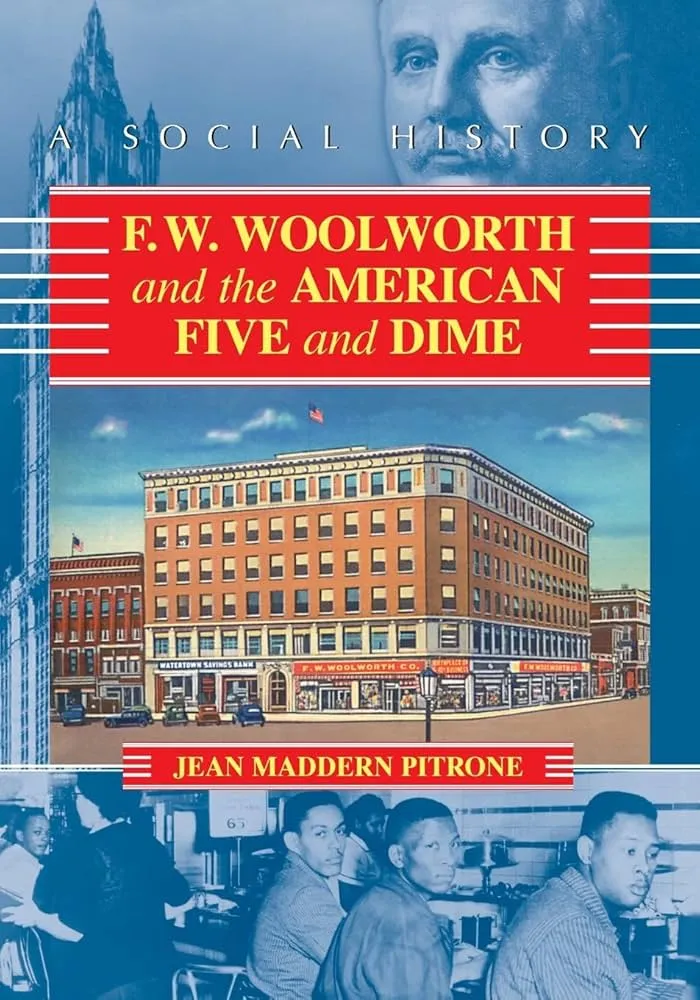 Photo: Woolworth's Five and Dime, via m.media-amazon.com
His fiancée, Dorothy, was thrilled. Not because of the ring's value, but because it meant they were officially engaged and could start planning their modest church wedding. The ring itself was an afterthought, a simple symbol of a promise made.
"Nobody talked about how much you spent on a ring," Dorothy McKenzie recalled decades later. "The important thing was that you were committed to each other. The ring was just something you wore to show you were taken."
This was romance in Depression-era America: practical, modest, and focused on the relationship rather than the merchandise. The idea that a man should spend months of his salary on a diamond ring would have seemed absurd to most couples. Diamonds were for the wealthy elite, not working-class Americans planning their futures.
Most engagement rings, when they existed at all, featured small stones or no stones at all. Many couples simply exchanged matching wedding bands. The average American engagement ring cost less than a week's wages, and nobody thought that made love any less meaningful.
The Campaign That Changed Everything
Then came one of the most successful marketing campaigns in American history—so successful that most people today have no idea it was marketing at all.
In 1938, the De Beers diamond company faced a crisis. Diamond sales had plummeted during the Great Depression, and American consumers saw diamonds as unnecessary luxuries. De Beers hired the N.W. Ayer advertising agency to change how Americans thought about diamonds entirely.
 Photo: De Beers, via www.naturaldiamonds.com
The campaign was brilliant in its simplicity: convince Americans that diamonds weren't just luxury items, but essential symbols of true love. Create a "tradition" where none existed. Make diamond engagement rings not just desirable, but morally necessary.
The famous slogan "A Diamond is Forever" launched in 1947, but the groundwork had been laid for nearly a decade. Magazine articles (secretly placed by the agency) described the "proper" way to propose. Hollywood stars were photographed with increasingly elaborate diamond rings. Etiquette guides began insisting that only diamond rings properly expressed a man's commitment.
Most importantly, the campaign established the "two months' salary" rule—later inflated to three months. This wasn't based on tradition or practicality. It was a marketing formula designed to maximize revenue while seeming reasonable to middle-class buyers.
The Post-War Boom
As America emerged from World War II into unprecedented prosperity, the diamond engagement ring campaign found its perfect moment. Young couples had more disposable income than their parents ever dreamed of. Consumer culture was exploding. And a generation of men who had survived the war were ready to spend on the women they loved.
By 1950, the transformation was nearly complete. What had been a luxury item for the wealthy was becoming a middle-class expectation. Jewelry stores that once sold mostly wedding bands were dedicating prime window space to diamond displays. Department stores added jewelry counters.
James Patterson bought his fiancée's ring in 1954—a quarter-carat diamond solitaire that cost $180, nearly six weeks of his salary as a factory worker. "All the guys at work said you had to get a diamond," he remembered. "It wasn't even a question anymore. That's just what you did."
The marketing had worked so well that it erased its own history. By the 1950s, most Americans believed diamond engagement rings were an ancient tradition, not a recent commercial invention.
The Escalation Game
Once the diamond engagement ring became standard, the industry faced a new challenge: how to keep increasing sales. The answer was escalation. Bigger stones, more elaborate settings, additional diamonds for anniversaries and special occasions.
The "two months' salary" rule became "three months' salary." Simple solitaire settings gave way to complex designs with multiple stones. The average diamond size increased from .23 carats in 1940 to .83 carats by 2000.
Celebrity culture amplified the trend. When Elizabeth Taylor received increasingly spectacular diamond rings from her various husbands, ordinary Americans felt their own rings looked modest by comparison. Magazine spreads showcased engagement rings worth more than most people's annual salaries.
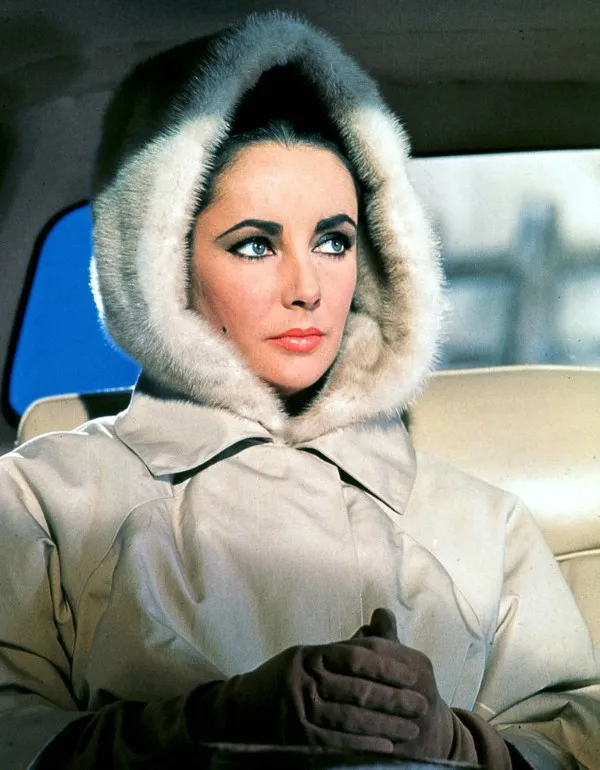 Photo: Elizabeth Taylor, via 2.bp.blogspot.com
By the 1980s, the wedding industry had discovered that engaged couples were remarkably willing to spend money they didn't have on items they'd never considered necessary before. The engagement ring was just the beginning of a process that would eventually encompass elaborate proposals, destination bachelor parties, and weddings that cost more than houses once did.
The Modern Marriage Tax
Today's engagement ring market would be unrecognizable to Robert and Dorothy McKenzie. The average American engagement ring costs $6,000—more than many people spend on a car. High-end rings routinely cost $20,000 or more. Young couples take out loans, max out credit cards, and delay other financial goals to buy rings that previous generations would have considered absurdly extravagant.
The financial pressure has real consequences. Studies show that couples who spend more on engagement rings are actually more likely to divorce, possibly because financial stress undermines the relationships the rings were supposed to celebrate. Yet the spending continues to escalate.
"We see 25-year-olds spending $15,000 on engagement rings when they're still paying off student loans and can't afford a down payment on a house," says financial planner Rebecca Chen. "They've internalized the message that anything less isn't romantic enough."
Social media has accelerated the trend. Instagram proposal photos create pressure for increasingly elaborate rings and settings. Online forums debate whether two months' salary is "enough" or if three months is the new minimum. The private moment of engagement has become a public performance with expensive props.
The Resistance Movement
But cracks are appearing in the diamond engagement ring orthodoxy. A growing number of couples are questioning whether massive spending on jewelry makes sense when they're facing student debt, housing costs, and uncertain economic futures.
Vintage rings, alternative stones, and simple bands are gaining popularity among couples who prefer to spend their money on experiences or investments rather than jewelry. Some couples skip engagement rings entirely, choosing to put that money toward a house down payment or honeymoon.
Millennial and Gen Z couples, in particular, are researching the history of diamond marketing and making more conscious choices. They're discovering that their grandparents' practical approach to engagement jewelry wasn't "unromantic"—it was financially smart.
"When I learned that the diamond engagement ring 'tradition' was basically a 20th-century marketing campaign, it completely changed how I thought about it," says Sarah Williams, who chose a vintage sapphire ring over a new diamond. "My grandmother's simple gold band represented 60 years of happy marriage. That seemed more romantic than spending three months' salary on a rock."
The Real Tradition
The story of America's engagement ring evolution reveals how quickly marketing can become "tradition" when it aligns with cultural desires and economic opportunity. What feels ancient and inevitable—the diamond solitaire, the months-of-salary rule, the elaborate proposal—is actually newer than television.
Robert McKenzie's $12 ring from Woolworth's represented something that seems almost revolutionary today: the idea that love's value isn't measured by its price tag. His marriage to Dorothy lasted 58 years, outlasting countless couples who spent exponentially more on their rings.
As young Americans face unprecedented financial pressures—student debt, housing costs, stagnant wages—perhaps it's time to remember that the most enduring love stories weren't built on expensive jewelry, but on practical partnerships between people who understood that their future together mattered more than the symbols they wore.
The engagement ring industry created a tradition so successfully that most people have forgotten it's a tradition at all. But traditions can change. And maybe the most romantic thing modern couples can do is write their own rules about how to celebrate their love—without going into debt to do it.