Your Grandfather's Funeral Suit Lasted 30 Years. Yours Won't Make It Through the Season.
In 1960, the average American man owned exactly one good suit. He bought it for his wedding, wore it to job interviews, church services, funerals, and every formal occasion for the next three decades. When it finally wore out, he bought another one exactly like it. The idea of owning multiple suits, seasonal wardrobes, or "fashion" was reserved for the wealthy.
Today, the average American owns 62 pieces of clothing and wears each item just seven times before discarding it. We've somehow become a society that owns more clothes than any generation in history while being demonstrably worse at dressing for important occasions.
The transformation from quality to quantity represents more than just changing consumer habits — it's the story of how the collapse of clothing prices accidentally destroyed Americans' understanding of why what you wear actually matters.
When Getting Dressed Was an Investment Decision
In the 1950s and 1960s, clothing represented a significant portion of household budgets. A good men's suit cost approximately $75 when the median weekly income was $80. That meant your formal outfit represented nearly a week's wages — roughly equivalent to spending $3,000 on a suit today.
Because replacement wasn't financially viable, Americans treated clothing with religious care. Suits were brushed after every wearing, hung on proper wooden hangers, and stored with cedar blocks to prevent moth damage. Shoes were polished weekly, resoled annually, and expected to last at least a decade. Clothing repair was a standard household skill, not a specialty service.
Women owned perhaps three good dresses: one for church, one for special occasions, and one for everyday wear that was nice enough for unexpected company. These weren't fashion statements — they were practical uniforms that communicated respectability, competence, and social awareness.
The concept of "business casual" didn't exist because the line between formal and informal clothing was absolute. You dressed up for anything that mattered: job interviews, dates, travel, religious services, and social gatherings. Appearing underdressed wasn't just poor etiquette — it suggested you didn't understand the importance of the occasion.
How Cheap Clothes Made Americans Worse at Dressing
The globalization of clothing manufacturing during the 1980s and 1990s changed everything. Production moved to countries where labor costs were a fraction of American wages, and suddenly, clothing became almost disposable. A decent suit that once cost a week's salary could be purchased for less than a day's wages.
This should have been an unqualified victory for consumers. Instead, it created a paradox: as clothing became more affordable, Americans became less skilled at choosing, maintaining, and wearing it appropriately.
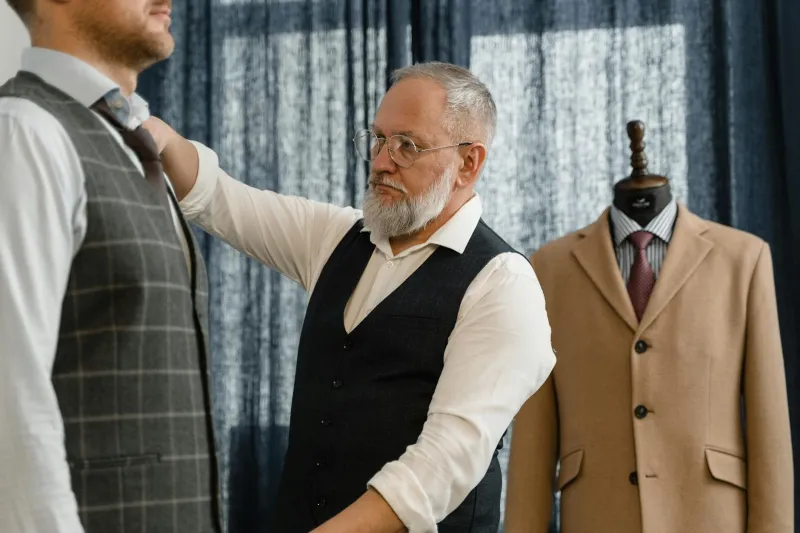
When suits were expensive, men learned to recognize quality construction, proper fit, and classic styling that wouldn't look dated in five years. When suits became cheap, the incentive to develop these skills disappeared. Why learn about fabric quality when you can buy three suits for the price your father paid for one?
The rise of "fast fashion" accelerated the decline. Retailers like H&M and Zara built business models around clothing designed to be worn briefly and discarded quickly. Quality became irrelevant when items were expected to last months rather than years.
The Death of Dress Codes and Social Signals
The abundance of cheap clothing coincided with the relaxation of social dress codes, creating a generation that never learned the visual language of appropriate attire. In previous eras, clothing served as a form of nonverbal communication that conveyed respect, competence, and social awareness.
Today's Americans often arrive at formal events dressed as if they're attending casual gatherings. Wedding guests wear shorts and flip-flops. Job interview candidates show up in clothing that would have been considered inappropriate for grocery shopping in 1965. Funeral attendees dress as if they're going to brunch.
This isn't necessarily about snobbery or rigid social hierarchies. Appropriate formal attire serves practical functions: it demonstrates that you understand the importance of the occasion, shows respect for other attendees, and signals that you can navigate professional and social expectations.
The ability to dress appropriately for different contexts used to be considered basic adult competency, like knowing how to balance a checkbook or change a tire. Today, many Americans genuinely don't know what "business formal" means or why it might matter.
The Hidden Costs of Disposable Fashion
The shift from quality to quantity created costs that weren't immediately apparent. Americans now spend more time shopping for clothes than previous generations spent maintaining them, but end up with wardrobes full of items that don't fit properly, don't coordinate with other pieces, and won't last long enough to justify the purchase.
The environmental impact is staggering. Americans now discard approximately 80 pounds of clothing per person annually. Most of these items aren't worn out — they're simply no longer wanted. The fast fashion industry has become one of the world's largest polluters, consuming vast amounts of water and producing toxic waste.
Moreover, the abundance of cheap options paradoxically made getting dressed more difficult. When your grandfather owned one good suit, getting dressed for formal occasions required no decisions. Today's Americans can spend hours choosing among dozens of options, many of which aren't appropriate for the occasion.
What We Lost When We Gained Options
The transition from expensive, durable clothing to cheap, disposable fashion eliminated several skills that previous generations considered essential. Americans no longer know how to evaluate fabric quality, recognize proper fit, or coordinate outfits that work for multiple occasions.
More significantly, we've lost the understanding that clothing serves as a form of communication. In previous eras, people dressed to show respect for others and signal their own competence. Today, "self-expression" through clothing often means prioritizing personal comfort over social appropriateness.
The ritual aspects of formal dressing have also disappeared. Previous generations understood that putting on your best clothes was part of preparing mentally for important occasions. The physical act of dressing formally helped create the psychological state appropriate for weddings, funerals, job interviews, and religious services.
The Funeral Suit Philosophy
Your grandfather's approach to formal clothing reflected a fundamentally different relationship with possessions. He bought quality items, maintained them carefully, and used them for decades. This wasn't just about clothing — it was a philosophy that valued durability, respectability, and understanding your role in social situations.
Today's approach prioritizes variety, convenience, and personal expression over quality, maintenance, and social appropriateness. We have more clothing options than any generation in history but less understanding of how to use them effectively.
The funeral suit that lasted 30 years represented more than just durable construction — it embodied a worldview that valued preparation, respect, and the understanding that some occasions deserve your best effort. Whether that worldview was better or worse than today's approach depends partly on what you think clothing is supposed to accomplish.
But when you're standing in your closet full of clothes, unable to find anything appropriate for the important occasion you're attending, you might find yourself envying the simplicity of owning just one good suit that always looked right, always fit properly, and always communicated exactly what it needed to say.