A Man's Word Used to Be His Bond—Now Everything Needs a Lawyer
When Trust Was Legal Tender
Walk into any American business today and you'll be asked to sign something before you've even stated your purpose. Liability waivers for bounce houses. Terms of service for coffee shop WiFi. Contracts for lawn care that rival mortgage documents in complexity.
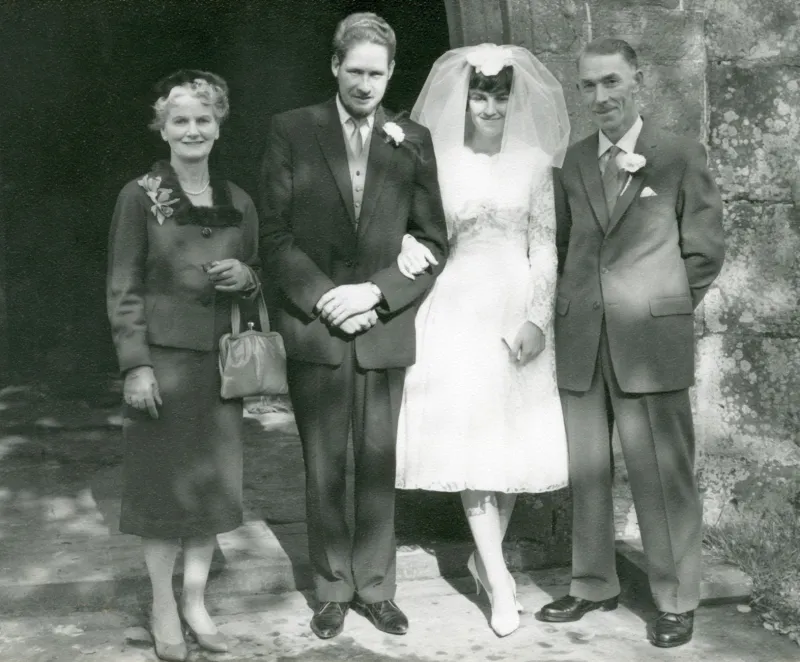
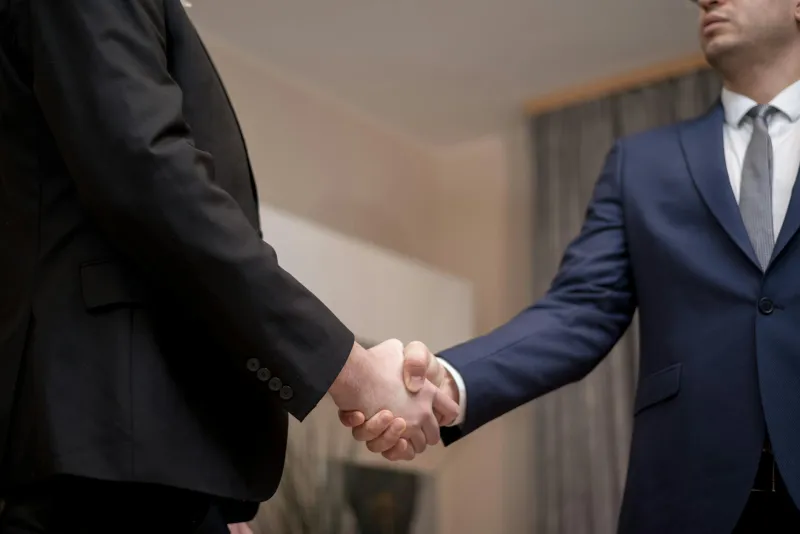
But step back just fifty years, and you'd find an America where most business happened on what people called "a gentleman's agreement." Your word was your contract, your reputation was your collateral, and a handshake sealed deals that today would require teams of lawyers.
This wasn't naive optimism—it was a functioning economic system built on something we've almost entirely lost: community-based trust.
The Handshake Economy
In small-town America of the 1950s and 60s, business relationships were personal relationships. The banker who approved your loan lived three streets over. The contractor who built your garage went to your church. The mechanic who fixed your car had fixed your father's car before that.
This proximity created what economists now call "social capital"—the understanding that cheating someone today meant losing business tomorrow, next month, and possibly forever. In a community where everyone knew everyone, reputation was currency.
Local newspapers from the era are filled with ads that today would make lawyers cringe: "Honest work, fair prices, satisfaction guaranteed" with nothing but a name and phone number. No fine print. No disclaimers. No escape clauses.
Farmers would shake hands on crop sales worth thousands of dollars. Home purchases happened with verbal agreements while the paperwork caught up. Even employment often began with a conversation and a promise to "start Monday."
The Liability Revolution
The shift away from trust-based commerce didn't happen overnight. It began in the 1970s as America became more mobile and litigious. As families moved more frequently and communities became less stable, the social mechanisms that enforced trust began to break down.
The legal profession grew dramatically. In 1960, there was roughly one lawyer for every 600 Americans. Today, that ratio has nearly doubled. More lawyers meant more awareness of potential liability, which meant more contracts to cover every conceivable scenario.
Insurance companies began requiring detailed documentation for claims. Consumer protection laws, while beneficial, created new categories of legal responsibility. What started as reasonable precaution evolved into defensive business practices.
By the 1990s, the "hold harmless" clause had become standard language in everything from gym memberships to kids' birthday parties. The assumption shifted from "we'll work it out" to "we need protection from each other."
Digital Trust Paradox
The internet age has created a bizarre paradox in American trust. We'll buy products from strangers on the other side of the world based on star ratings from people we'll never meet. We'll get into cars with drivers we've never seen, summoned through an app.
Yet these same digital platforms are built on the most elaborate legal frameworks in human history. Every click requires acceptance of terms longer than most novels. Every transaction is documented, tracked, and legally protected in ways that would have baffled previous generations.
We've replaced personal trust with algorithmic trust, human reputation with digital ratings, and community accountability with corporate liability protection.
The Hidden Costs of Mistrust
This shift toward legal protection has hidden costs that extend far beyond lawyer fees. Transaction costs have increased dramatically when every deal requires documentation, review, and legal backup plans.
Small businesses now spend significant portions of their budgets on liability insurance and legal compliance. Entrepreneurs face barriers to entry that didn't exist when business could begin with a handshake and good intentions.
Perhaps most significantly, we've lost the social skills that made trust-based commerce possible. Younger generations have never experienced business relationships built primarily on personal reputation and community standing.
What We Lost in Translation
The old system wasn't perfect. It excluded many people—particularly minorities and women—who weren't part of established community networks. It could be insular and resistant to change.
But it also created something valuable: business relationships that were fundamentally human. When your reputation was your most valuable asset, you had incentives to treat people fairly, deliver quality work, and stand behind your commitments.
Today's legal framework protects us from many forms of exploitation and fraud. But it's also created a business culture where personal responsibility has been largely replaced by contractual obligation, where human judgment has been superseded by legal documentation.
The Trust We Can't Recover
Some changes can't be undone. America is too mobile, too diverse, and too complex to return to an economy based primarily on community reputation. The legal protections we've built serve important purposes in a society where most business happens between strangers.
But understanding what we've lost helps explain why so many Americans feel disconnected from their economic lives. When every transaction is mediated by legal language and corporate policies, we lose the human connections that once made commerce a form of community building.
The handshake deal wasn't just a business practice—it was a statement of faith in other people and in the community structures that held everyone accountable. Its disappearance marks not just a change in how we do business, but a fundamental shift in how we relate to each other as Americans.