The Front Parlor Funeral
In 1900, when someone died in small-town America, the family didn't call a funeral home—they called the neighbors. Death happened at home, and that's where it stayed until burial. The deceased was laid out in the front parlor, the most formal room in the house, while family members took turns sitting vigil through the night.
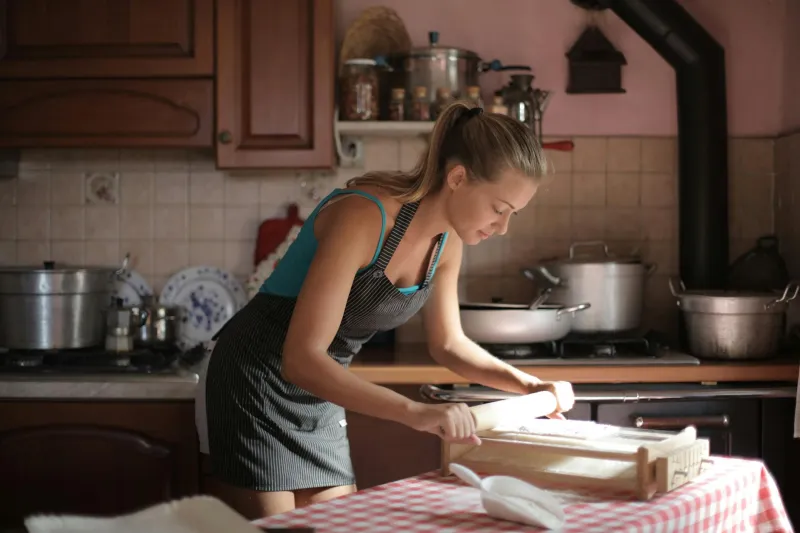
Women in the family or neighborhood would wash and dress the body. Men would build a simple wooden coffin or order one from the local carpenter. Children weren't shielded from death—they helped with preparations and said their goodbyes in the familiar surroundings of home. The whole process, from death to burial, happened within the family circle.
Why We Started Calling Them "Living Rooms"
The term "living room" didn't exist until the early 1900s, and it emerged specifically because front parlors had become too associated with death. Families wanted a space for the living, separate from the room where bodies were displayed for final viewing. This linguistic shift marked the beginning of Americans' discomfort with death as a home experience.
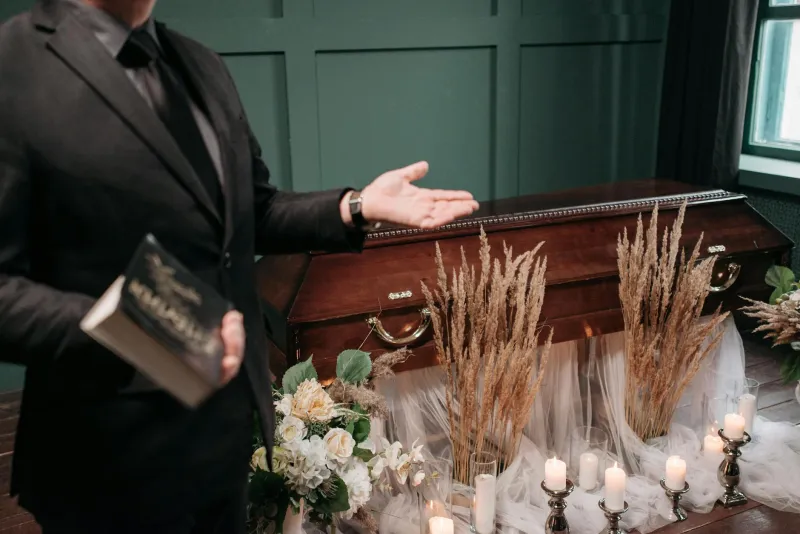
Before funeral homes took over, the front parlor served as the community's viewing space. Neighbors would come pay their respects, bringing food and sharing memories. The deceased remained part of the household until the funeral procession carried them to the cemetery. Death wasn't hidden or sanitized—it was a family and community event.
The Civil War Changed Everything
The massive casualties of the Civil War created America's first death crisis. Thousands of soldiers died far from home, and families desperately wanted their bodies returned for proper burial. This demand created the first commercial embalmers—entrepreneurs who could preserve bodies for long-distance transport.
Dr. Thomas Holmes, known as the "Father of American Embalming," embalmed over 4,000 Union soldiers during the war. When President Lincoln's embalmed body traveled by train from Washington to Springfield, Illinois, Americans saw what professional death care could accomplish. The funeral industry was born from this wartime necessity.
The Professionalization of Grief
By the 1920s, funeral directors had successfully convinced Americans that handling death required professional expertise. They argued that home preparation was unsanitary, that grief-stricken families couldn't make proper arrangements, and that modern death care required specialized facilities and training.
Funeral homes began offering "complete services"—everything from body preparation to ceremony coordination to burial arrangements. What had once been a family responsibility became a professional service. The industry marketed itself as relieving families of the "burden" of death care, though many families had never considered it a burden.
The Economics of Professional Death
The shift from home death care to funeral home services represented a massive transfer of resources from families to businesses. In 1900, a family funeral might cost the equivalent of $200 in today's money—mostly for a coffin and cemetery plot. Today, the average American funeral costs $7,848, not including cemetery expenses.
Funeral homes didn't just take over the practical aspects of death—they took over the emotional aspects too. Professional grief counselors replaced community support. Funeral directors became the experts on "appropriate" mourning. The natural, extended process of home-based grieving was compressed into a few days of professional services.
What We Gained in Dignity and Hygiene
The professionalization of death care wasn't entirely negative. Modern funeral practices eliminated genuine health risks associated with home body preparation. Professional embalming allowed families time to gather from distant locations. Funeral homes could provide climate-controlled spaces and professional equipment that most homes lacked.
For families dealing with traumatic deaths—accidents, violence, or disfiguring illnesses—professional restoration services provided genuine comfort. The funeral industry also standardized practices across different communities and social classes, ensuring that all families had access to dignified death care regardless of their resources or knowledge.
The Rituals We Lost
But something was lost in the transition from home to funeral home. The intimate process of caring for a deceased family member—washing their body, dressing them in familiar clothes, sitting with them through the night—had provided a natural way to process grief and accept death's reality.
Home wakes lasted several days, allowing extended family and community members to say goodbye gradually. Stories were shared, memories exchanged, and grief processed collectively in the familiar setting of the family home. Children learned about death naturally, as part of family life rather than as a mysterious, frightening event that happened elsewhere.
The Neighborhood Network
When death occurred at home, it activated an entire community support system. Neighbors brought food, helped with arrangements, and provided emotional support. The deceased person's life was celebrated through shared stories and memories in their own living space, surrounded by their possessions and photographs.
This community response was both practical and emotional. While some family members handled body preparation, others managed household needs, cared for children, and coordinated with the church and cemetery. Death became a community event that strengthened social bonds rather than an isolated family crisis.
Modern Attempts to Reclaim Home Death
Today, some American families are choosing to bring death care back home. The "death midwife" movement helps families handle body preparation and home wakes. Green burial practices encourage simpler, more personal approaches to death care. Some states have legalized home burial on private property.
These aren't necessarily better approaches than professional funeral services, but they represent a desire to reclaim some of the intimacy and personal control that was lost when death moved from home to funeral home.
The Balance Between Professional and Personal
The ideal probably lies somewhere between the 1900 model and today's fully professionalized system. Modern Americans benefit from professional expertise, sanitary practices, and standardized services. But we may have lost something valuable when we entirely removed death from the home environment and family responsibility.
The front parlor funeral wasn't perfect, but it kept death as part of life rather than as a separate, professional experience. When we stopped laying out our dead at home, we may have started hiding from death itself.