When Every Highway Exit Told a Different Culinary Story

The Great American Food Adventure
Pull off at any highway exit in America today and you'll see the same familiar lineup: McDonald's golden arches, Subway's green and yellow sign, maybe a Taco Bell or KFC. The food court of Interstate America has become as predictable as a shopping mall, offering the comfort of knowing exactly what you'll get no matter where you are.
But rewind to 1960, and the American highway told a completely different story. Every exit was a culinary gamble, every meal a potential discovery. The Interstate system was still young, and the roadside food culture it would eventually destroy was in its golden age.
Traveling across America meant eating your way through a patchwork of regional specialties, family recipes, and local traditions that had evolved over generations. The highway wasn't just a route to your destination—it was a tour through America's diverse food heritage.
The Diner Dynasty
The backbone of highway dining was the American diner, but not the nostalgic recreation you might visit today. These were working establishments, often family-owned for decades, serving food that reflected their specific corner of the country.
A diner in rural Georgia might specialize in country ham with red-eye gravy and buttermilk biscuits made from a recipe passed down from the owner's grandmother. Drive north to Pennsylvania and you'd find diners serving scrapple, shoofly pie, and Pennsylvania Dutch specialties that you couldn't get anywhere else.
These weren't theme restaurants trying to recreate regional cuisine—they were authentic expressions of local food culture, run by people who had grown up eating these dishes and learned to cook them from their communities.
The menus were handwritten or mimeographed, prices were reasonable, and the coffee was always fresh because truckers and locals depended on these places for sustenance, not just convenience.
Motor Lodge Magic
Beyond the diners were the motor lodges and roadside restaurants that made highway travel an adventure in American regional cuisine. Every state had its specialties, and local entrepreneurs built businesses around showcasing what made their area unique.
In New Mexico, you'd find family-run establishments serving green chile cheeseburgers with recipes that varied from town to town. Louisiana highways offered roadside stands selling fresh crawfish, boudin, and gumbo that reflected the specific cultural mix of each parish.
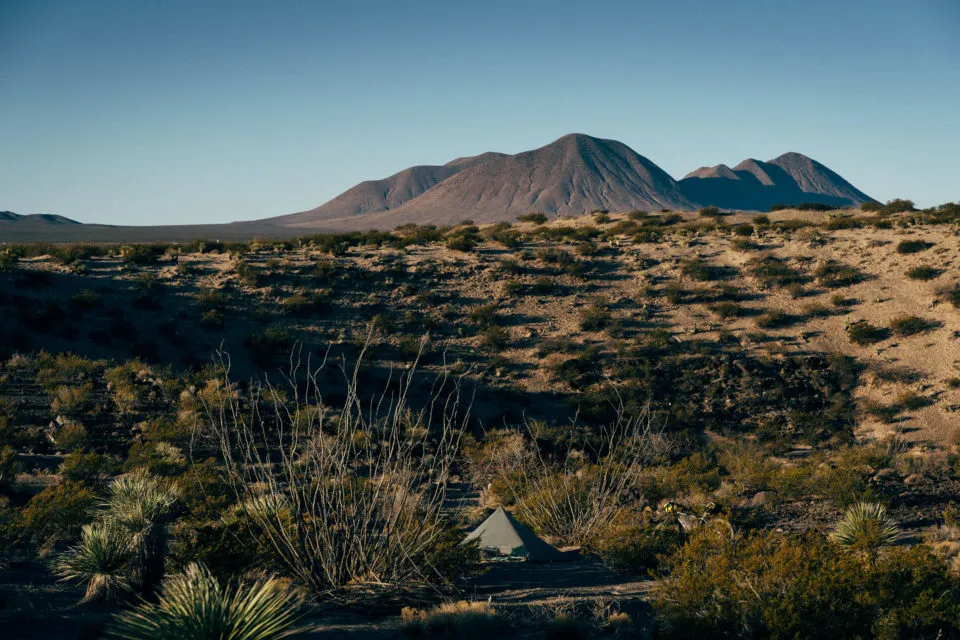 Photo: New Mexico, via bikepacking.com
The Midwest had supper clubs and fish fries that drew travelers off the interstate for walleye, perch, and regional preparations that had been perfected over decades. Even gas stations often had attached cafes serving local specialties—barbecue in Kansas City, cheese curds in Wisconsin, apple pie in Michigan.
The Chain Invasion
The transformation began in earnest during the 1970s as fast food corporations recognized the profit potential of highway locations. What started with a few McDonald's and Burger Kings at major interchanges gradually expanded to dominate virtually every exit.
The appeal to both consumers and franchisees was obvious: standardization meant predictability. Families traveling with children knew they could get familiar food quickly and cheaply. Franchise owners could rely on proven business models rather than gambling on local tastes and seasonal variations.
But something crucial was lost in this exchange of uniqueness for convenience. The highway began to reflect corporate America rather than local America, and travelers lost the sense of place that had once made cross-country driving a cultural education.
The Economics of Homogenization
The rise of chain restaurants wasn't just about consumer preference—it was driven by powerful economic forces that made local establishments increasingly difficult to sustain.
Corporate chains could negotiate better deals with suppliers, afford expensive highway signage, and survive temporary downturns that might destroy family businesses. They could also market nationally, creating brand recognition that local diners couldn't match.
As Interstate highways bypassed traditional downtown areas, local restaurants lost their built-in customer base of residents and had to compete directly with heavily capitalized chains for the tourist and trucker trade.
Many family establishments couldn't afford the modernization required to meet new health codes and safety regulations, while corporate chains had the resources to comply with evolving standards.
The Lost Flavor Map
What disappeared wasn't just individual restaurants—it was an entire system of regional food identity that had developed organically over generations. Highway travel once provided an edible map of American cultural diversity.
You could taste the German influence in Wisconsin, the Scandinavian heritage of Minnesota, the Mexican traditions of the Southwest, and the African American culinary contributions throughout the South. Each region's highway food reflected its specific history, climate, agriculture, and cultural mix.
This wasn't fine dining or gourmet cuisine—it was everyday food that happened to be deeply rooted in place and tradition. A truck stop in Montana served different food than one in Alabama not because of marketing strategy, but because they reflected different communities with different foodways.
The Convenience Trade-Off
Modern highway dining undeniably offers advantages that the old system couldn't match. Chain restaurants provide consistent quality, predictable prices, and dietary accommodations that family-owned establishments often couldn't offer.
For travelers with food allergies, dietary restrictions, or young children, the standardization of chain restaurants provides security and convenience that regional specialties couldn't guarantee.
The speed of service has also improved dramatically. A McDonald's can serve a family in minutes, while the old-style diners often required longer waits and more flexible schedules.
The Ironic Search for Authenticity
Today's food culture increasingly values authenticity, local sourcing, and regional specialties—exactly what highway dining once provided naturally. Food tourists now plan elaborate trips to experience regional American cuisine, seeking out the kind of places that once lined every major highway.
The farm-to-table movement, craft brewery boom, and artisanal food trends all represent attempts to recreate the connection between food and place that highway dining once provided automatically.
Some entrepreneurs have tried to bring regional food back to highway travel, but they're fighting against decades of infrastructure built around standardized chains and consumer expectations shaped by convenience culture.
The Cultural Cost of Efficiency
The homogenization of highway food represents more than just a change in dining options—it's a symbol of how American mobility has become disconnected from American place.
When every exit offers the same food, travel becomes less about discovery and more about efficient transit. We've gained speed and predictability, but lost the sense that different parts of America have different flavors, literally and figuratively.
The old highway food culture wasn't perfect—quality was inconsistent, service could be slow, and hygiene standards varied. But it offered something that no amount of corporate efficiency can recreate: the sense that every mile of American highway had its own story to tell, and its own taste to remember.