The 50-Cent Bleacher Seat
In 1965, you could walk up to Yankee Stadium and buy a bleacher seat for 50 cents. Not 50 cents adjusted for inflation—actual 50 cents. A hot dog cost a quarter, a Coke ran you a dime, and parking was free on the street outside. For under two dollars, a working father could take his kid to see Mickey Mantle play ball on a Tuesday night after work.
That same bleacher seat today? Try $15 on a good day, $45 when the Red Sox are in town. The hot dog will set you back $7, the Coke another $6, and parking starts at $40 if you can find it. What once cost pocket change now requires a family to budget like they're planning a weekend vacation.
When Stadiums Lived in Neighborhoods
The old ballparks weren't isolated entertainment complexes surrounded by seas of asphalt. They sat right in the heart of working-class neighborhoods, woven into the fabric of city life. Ebbets Field in Brooklyn was accessible by subway for a nickel. Kids could bike to Crosley Field in Cincinnati. Fenway Park opened its doors to fans who walked from their tenement apartments.
These weren't cathedrals of sport—they were community gathering places. Vendors lived in the surrounding neighborhoods. The guy selling peanuts outside Wrigley Field probably went to high school with half the people in the stands. Baseball wasn't an event you planned months ahead; it was something you did on a whim when you got off work early.
The Luxury Box Revolution
Everything changed in the 1970s and 80s when team owners discovered they could make more money from fewer, wealthier fans than from packed stadiums of working families. The luxury box became the new profit center. Why sell 500 bleacher seats for $2 each when you could sell one corporate suite for $5,000?
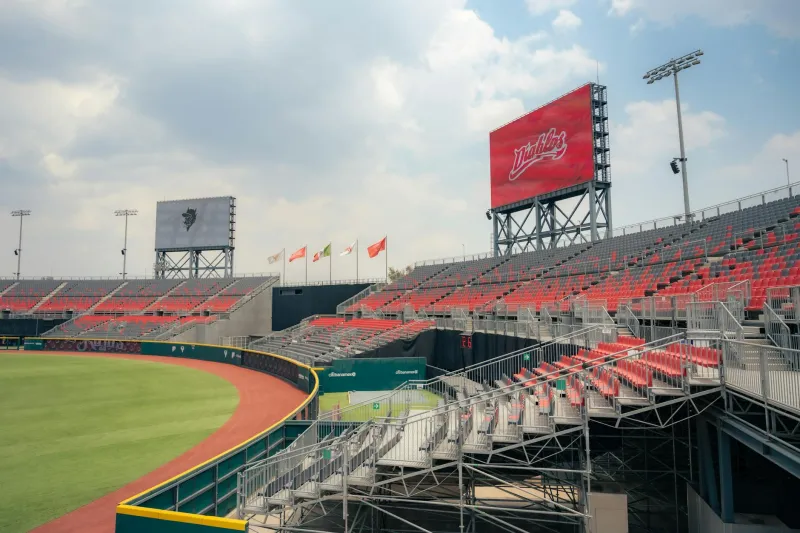
New stadiums started going up in suburbs, accessible mainly by car, surrounded by paid parking lots that cost more than entire game experiences used to cost. The Houston Astrodome, opened in 1965, was the beginning of the end for neighborhood baseball. These weren't ballparks—they were entertainment complexes designed to maximize revenue per square foot.
Dynamic Pricing Meets America's Pastime
Today's ticket prices fluctuate like airline fares. The same seat that costs $25 for a Tuesday game against Kansas City jumps to $85 when the Yankees come to town. Weekend games cost more than weeknight games. Games in September cost more than games in April. Playoff tickets require a second mortgage.
Season ticket holders, once the backbone of team loyalty, now face personal seat licenses—essentially paying thousands of dollars for the right to buy season tickets. The Chicago Bears charge up to $29,000 just for the privilege of purchasing season tickets. You haven't bought a single game yet.
The Concession Stand Shock
A family of four attending a major league game today faces an average total cost of $234, according to Team Marketing Report. That includes tickets, parking, concessions, and programs. In 1965, that same family could attend 20 games for the same money.
Beer prices tell the story most clearly. A cup of beer at Yankee Stadium in 1970 cost 65 cents. Today, the same beer costs $12—an increase of 1,746%. The federal minimum wage, by comparison, has increased 863% over the same period. Beer at the ballpark has literally outpaced wage growth by more than double.
What We Lost When Baseball Became Big Business
The pricing revolution didn't just change who could afford to attend games—it changed the entire culture of baseball fandom. Games became special occasions rather than casual entertainment. Families started watching on television instead of attending in person. The multi-generational tradition of fathers teaching sons the game in person gave way to expensive birthday trips to the ballpark.
Working-class fans, once the heart of baseball's identity, found themselves priced out of their own pastime. The sport that once called itself America's game became increasingly accessible only to America's upper middle class.
The Neighborhood Stadium Is Gone Forever
Modern stadiums generate massive revenue, offer climate-controlled comfort, and provide entertainment experiences that go far beyond baseball. But they've also become isolated from the communities they're supposed to serve. When the last neighborhood ballpark closes, something fundamental about American sports culture closes with it.
The next time you pay $15 for stadium parking, remember that your grandfather could attend an entire game, with refreshments, for less money. Progress in sports business hasn't necessarily meant progress for sports fans.