The American Grocery Store Didn't Always Look Like This
The American Grocery Store Didn't Always Look Like This
There's a particular kind of sensory overload that hits when you really stop and look at a modern American supermarket. The produce section alone spans more variety than most mid-century American families encountered in an entire year. Avocados from Mexico. Mangoes from Peru. Cherry tomatoes in four colors. Blueberries in January.
None of that was normal sixty years ago. Most of it wasn't even possible.
The story of how the American grocery store transformed from a modest, seasonal, regionally-limited operation into the overwhelming cathedral of choice it is today is really a story about technology, globalization, and how completely our relationship with food has been rewritten in a single lifetime.
What Shopping Actually Looked Like in 1955
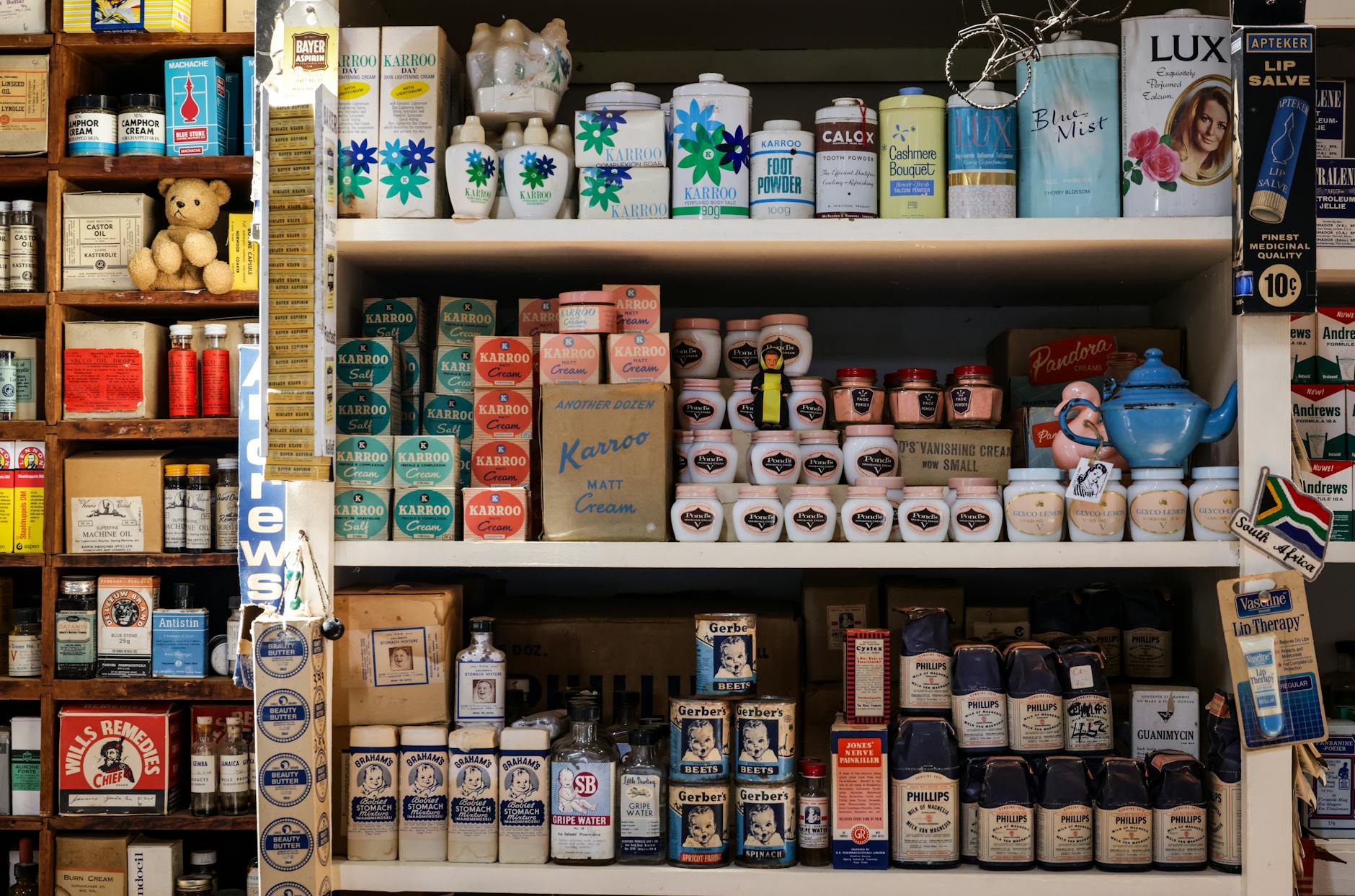
The supermarket concept itself was relatively new in the postwar years. Before chain grocery stores became dominant in the 1950s, most Americans shopped at smaller neighborhood stores — a butcher here, a baker there, a general store for dry goods. The consolidation into one-stop supermarkets was already underway, but the stores that emerged were nothing like what we walk into today.
A typical American supermarket in the mid-1950s carried somewhere between 3,000 and 4,000 individual products. By comparison, the average store today stocks around 30,000 to 40,000 SKUs. That's not a modest increase. That's a fundamentally different scale of operation.
More importantly, what was on those shelves was largely determined by the calendar and the geography. If it was February in Ohio, you were not eating fresh tomatoes. You were eating canned tomatoes — likely from a brand like Del Monte or Hunt's — or you were doing without. Seasonal eating wasn't a lifestyle choice or a farmers' market philosophy. It was simply the reality of how food systems worked.
Fresh produce was local by necessity. Refrigerated trucking existed but was expensive and limited. Air freight for food was essentially non-existent at a commercial scale. The banana was one of the few tropical fruits that regularly appeared in American homes, and even then, it was considered something of a treat in many households.
The pantry staples of a 1950s American home reflected this reality: canned vegetables, dried beans, white bread, lard, Crisco, iceberg lettuce, potatoes, and whatever meat was affordable that week. Garlic was considered exotic in many parts of the country. Olive oil was a pharmacy product, sold for ear health, not cooking. Yogurt was virtually unknown as a mainstream food until the 1970s.
The Machinery That Changed Everything
Three forces, working simultaneously, rewired the American food system between roughly 1960 and 2000.
The first was refrigeration and cold chain logistics. As refrigerated transport became cheaper and more reliable, the radius from which grocery stores could source products expanded dramatically. A strawberry grown in California could now reach a store in Massachusetts without spoiling. That single logistical capability broke the tyranny of local and seasonal eating in a way nothing else could have.
The second was the globalization of trade. As international shipping costs fell and trade agreements opened new supply lines, the variety of what could be sourced year-round exploded. By the 1990s, American consumers could find kiwi fruit from New Zealand, grapes from Chile, and asparagus from Peru on shelves in the middle of winter — not as specialty items, but as regular stock. The planet had effectively become a single, continuous growing season.
The third was the processed food industry. The postwar decades saw an extraordinary expansion in shelf-stable, packaged foods — cereals, frozen dinners, canned soups, snack foods — that transformed both what Americans ate and how grocery stores organized themselves. The interior aisles of a modern supermarket are largely a monument to this era, a sprawling landscape of products that would have had no equivalent in 1955.
What We Gained — and What's Worth Noticing
The choice available to American grocery shoppers today is genuinely extraordinary by any historical measure. A family in Kansas City can cook Thai food on Monday, Mexican food on Tuesday, and Italian on Wednesday, sourcing ingredients for all three at a single store. That level of culinary access was reserved for people living in large coastal cities — if it was available at all — just a few decades ago.
For health, the expansion of variety has brought real benefits. Fresh fruit and vegetables that were once unavailable for half the year are now accessible year-round. Whole grains, plant-based proteins, and international staples with strong nutritional profiles — lentils, quinoa, edamame — have moved from specialty health stores into mainstream aisles.
But the same system that brought abundance also brought complexity. The processed food boom that filled those 40,000 SKUs introduced enormous quantities of added sugar, sodium, and refined ingredients into the American diet. The convenience foods that made life easier for postwar families also quietly reshaped what Americans considered normal to eat — and not always for the better.
A Different Kind of Problem
There's something almost disorienting about the scale of modern grocery choice — what psychologists sometimes call the paradox of choice. When a cereal aisle offers 80 different options, the act of buying breakfast becomes its own small cognitive task. Mid-century shoppers had fewer decisions to make, not because they were less sophisticated, but because fewer decisions existed.
Your grandfather didn't agonize over which variety of oat milk to buy. He bought milk. From a dairy. Probably within 30 miles of his house.
That simplicity had real constraints — limited nutrition, limited variety, limited access for those outside of cities. But it also had a kind of clarity that the modern supermarket, for all its remarkable abundance, doesn't quite replicate.
The shelves have never been fuller. Whether we've figured out what to do with all of it is still, in some ways, an open question.