Home

Category

Health

22 articles

Before Smartphones Stole Our Downtime, Americans Knew How to Think

Before Smartphones Stole Our Downtime, Americans Knew How to Think

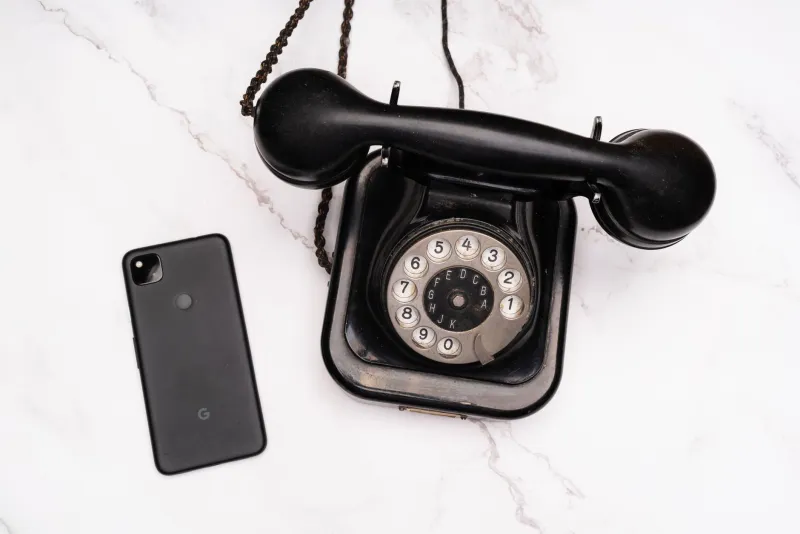
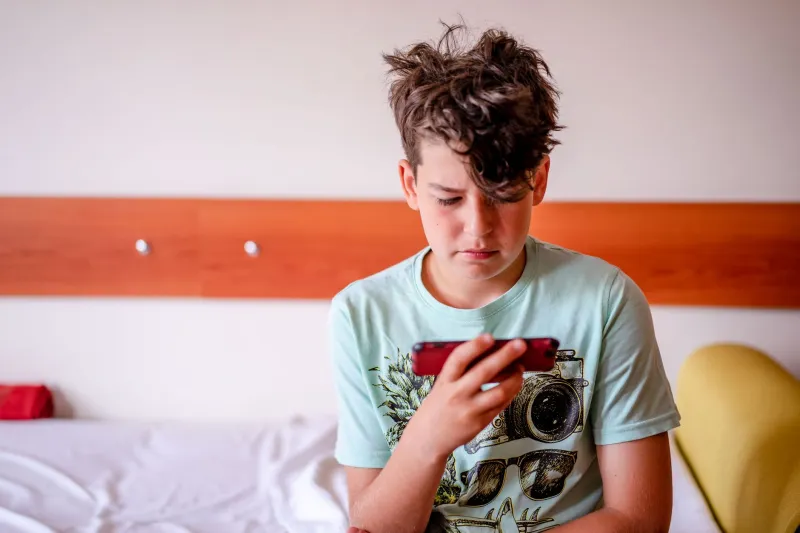
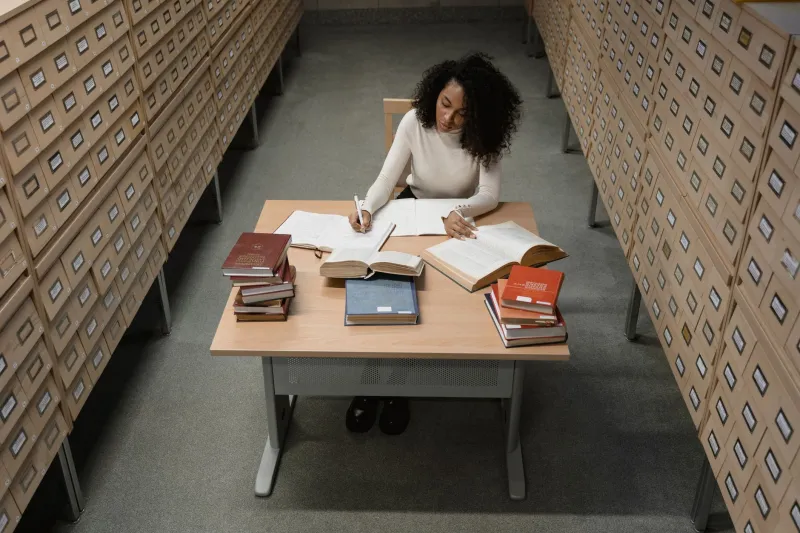
A generation ago, Americans regularly experienced genuine boredom—and those empty moments sparked creativity, self-reflection, and deeper thinking. Today's constant digital stimulation has nearly eliminated idle time, along with the mental benefits that came with it.

When Death Happened at Home, Not at the Funeral Home

When Death Happened at Home, Not at the Funeral Home

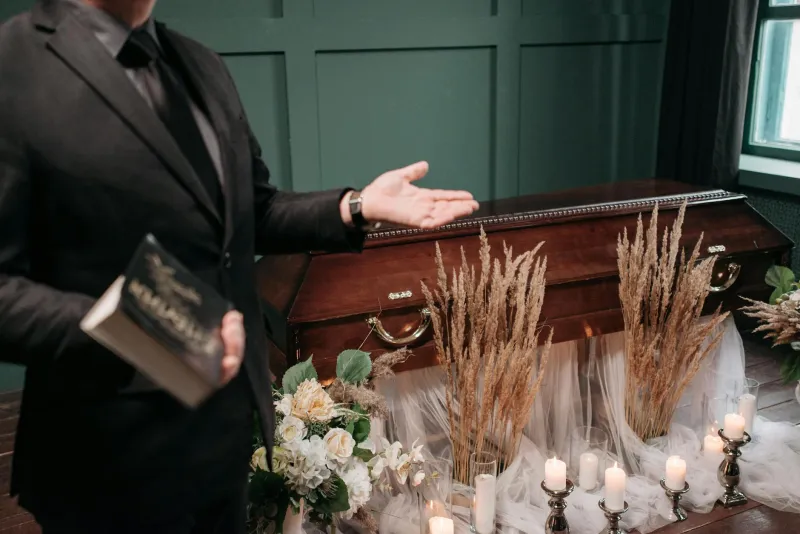
For most of American history, families handled death themselves—washing bodies, building coffins, and holding wakes in their front parlors. The modern funeral industry gradually took over these intimate rituals, changing not just how we bury our dead, but how we process grief itself.

When Neighborhood Streets Were America's Biggest Playground

When Neighborhood Streets Were America's Biggest Playground

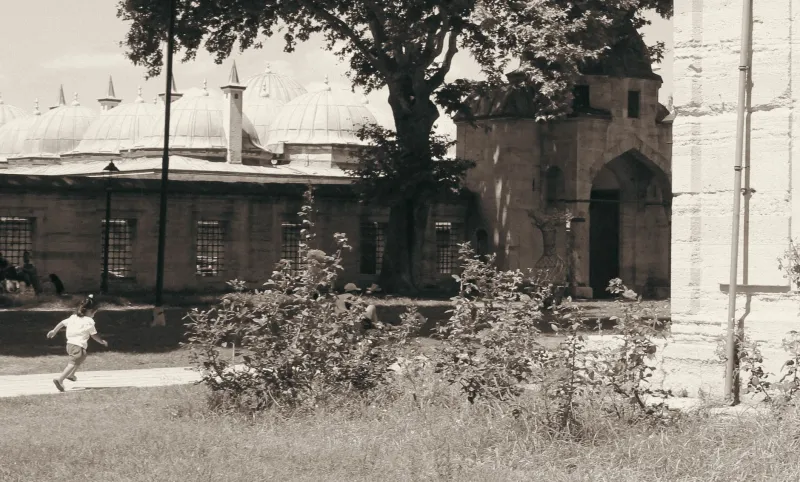
A generation of American children once spent entire summers unsupervised, creating their own adventures from dawn until the streetlights came on. Today's kids live in a world of scheduled activities and constant supervision that would be unrecognizable to their grandparents.

The Woman Who Never Owned a Scale But Always Fit Her Dress

The Woman Who Never Owned a Scale But Always Fit Her Dress

Your great-grandmother lived in an era before calorie counting, nutrition labels, or diet culture—yet maintained a healthy weight without ever thinking about it. Her effortless approach to eating reveals how dramatically our relationship with food has changed, and not necessarily for the better.

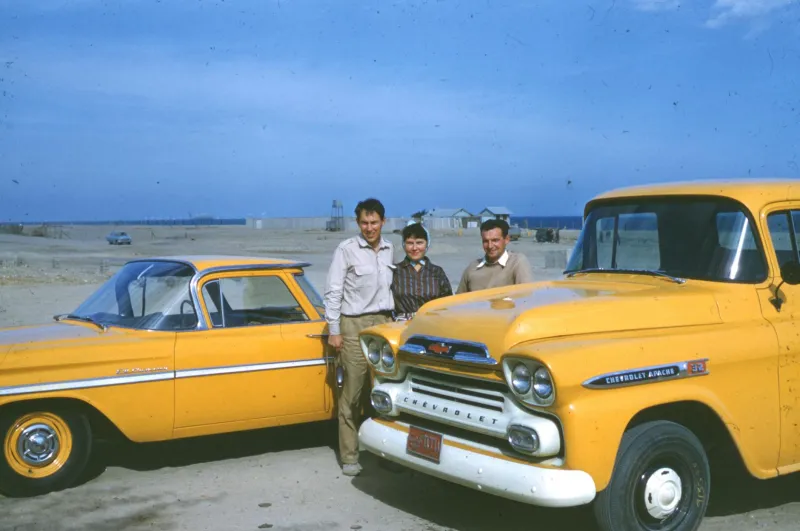
When Your Dentist Made House Calls to Main Street

When Your Dentist Made House Calls to Main Street

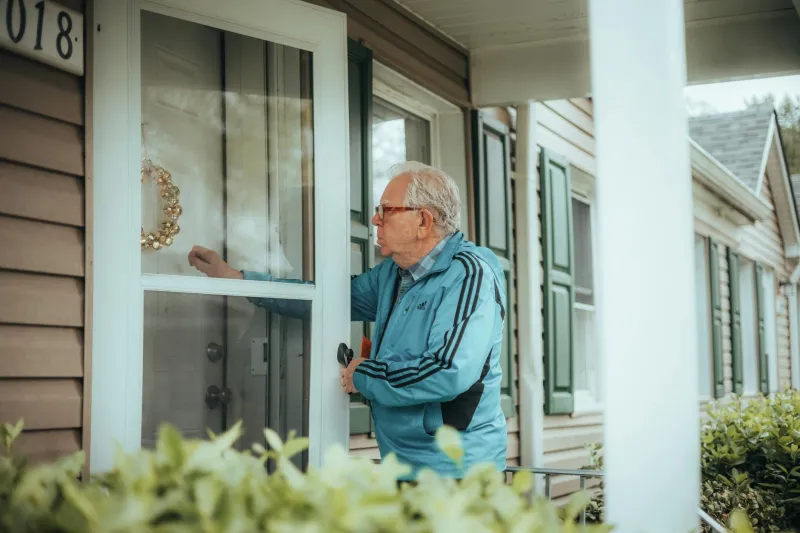
Circuit-riding dentists once brought oral care directly to rural America's doorsteps on predictable monthly schedules. Today, despite revolutionary advances in dental technology, millions of Americans wait months for appointments or simply skip dental care altogether.

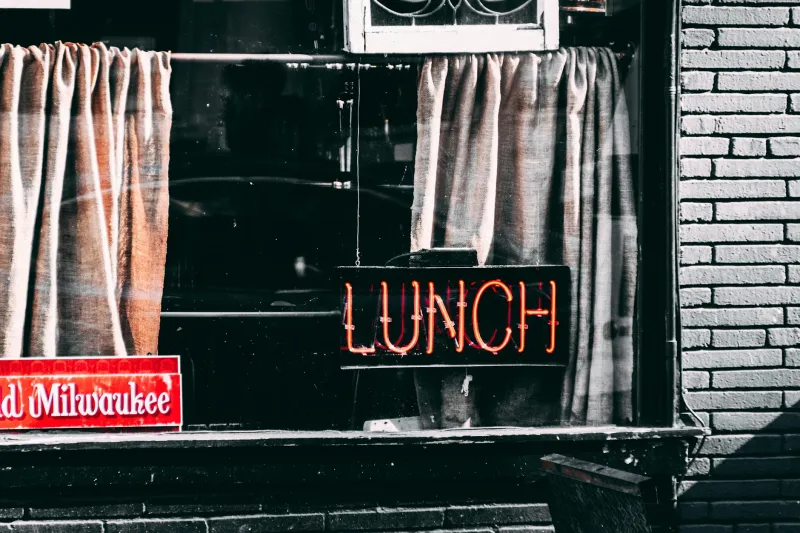
When Taking a Real Lunch Break Wasn't a Radical Act

When Taking a Real Lunch Break Wasn't a Radical Act

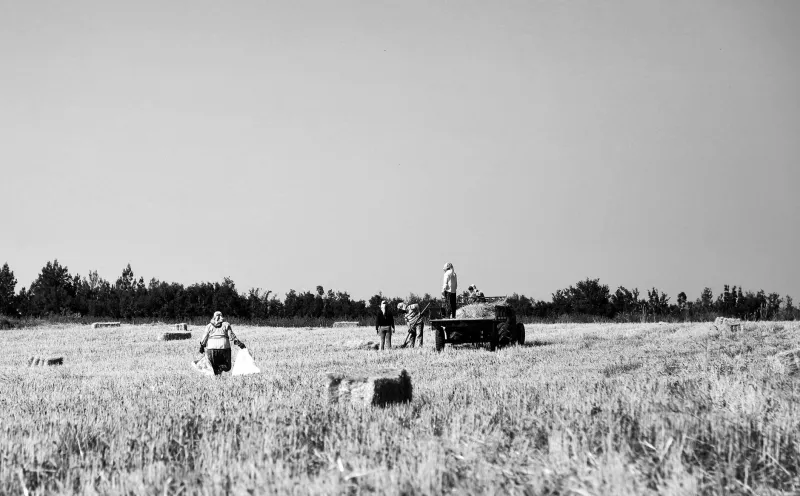
For decades, the midday meal was a sacred hour that defined the American workday. Workers left their desks, restaurants thrived on the lunch rush, and nobody apologized for being unavailable from noon to one. Then somewhere along the way, we convinced ourselves that eating at our keyboards was progress.

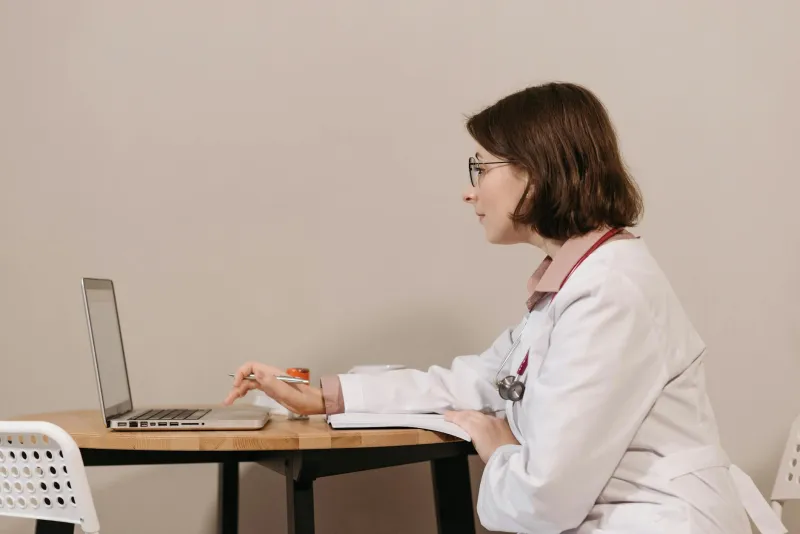
When Doctors Made House Calls and Actually Knew Your Middle Name

When Doctors Made House Calls and Actually Knew Your Middle Name

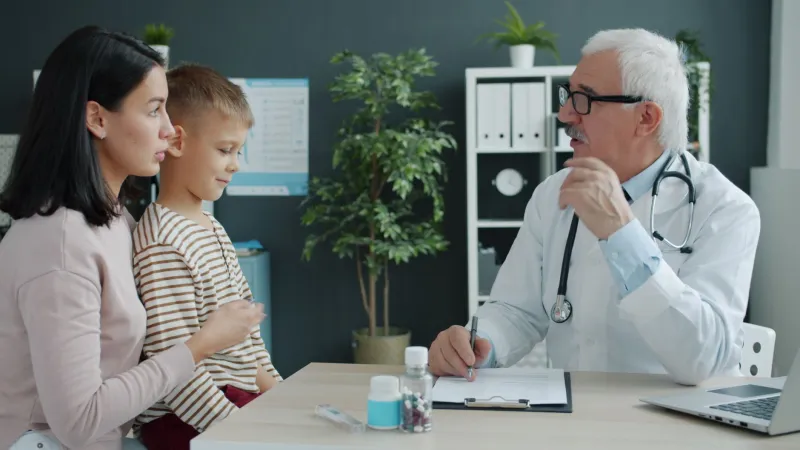
Your family doctor once treated three generations under one roof, kept handwritten notes in a manila folder, and probably knew your dog's name too. Today's medical system is faster and more specialized, but something deeply human got lost along the way.

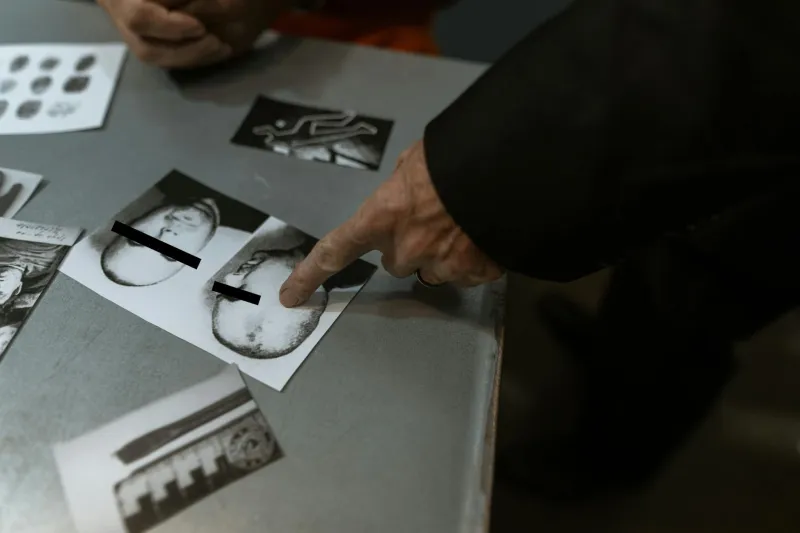
From Fingerprints to Databases: The Criminal Justice System Got a Digital Makeover—But Did It Get Better?
From Fingerprints to Databases: The Criminal Justice System Got a Digital Makeover—But Did It Get Better?

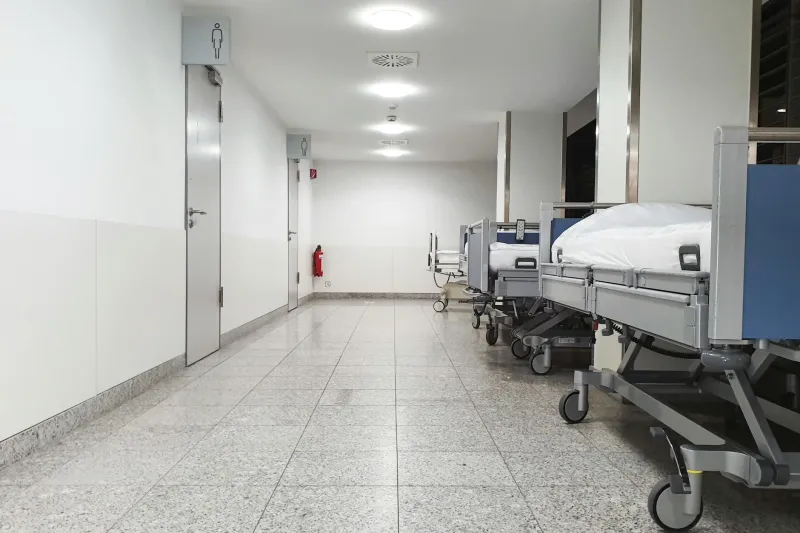
When you were arrested in 1985, your mugshot was a photograph. Your fingerprints were rolled onto paper cards. Your record lived in a filing cabinet. Today, the moment you're taken into custody, you enter a system of biometric databases, body cameras, and digital records that would have seemed like science fiction forty years ago. The question is: did technology make the system fairer, or just faster at catching people?

When Mothers Labored in the Dark: How Childbirth Became a Human Experience Again

When Mothers Labored in the Dark: How Childbirth Became a Human Experience Again

In 1970, giving birth meant surrendering control to strangers in sterile rooms while sedated and alone. Today's mothers have choices their grandmothers never imagined. The story of how childbirth went from a medical procedure done *to* women to an experience centered *around* them reveals how medicine finally learned to listen.

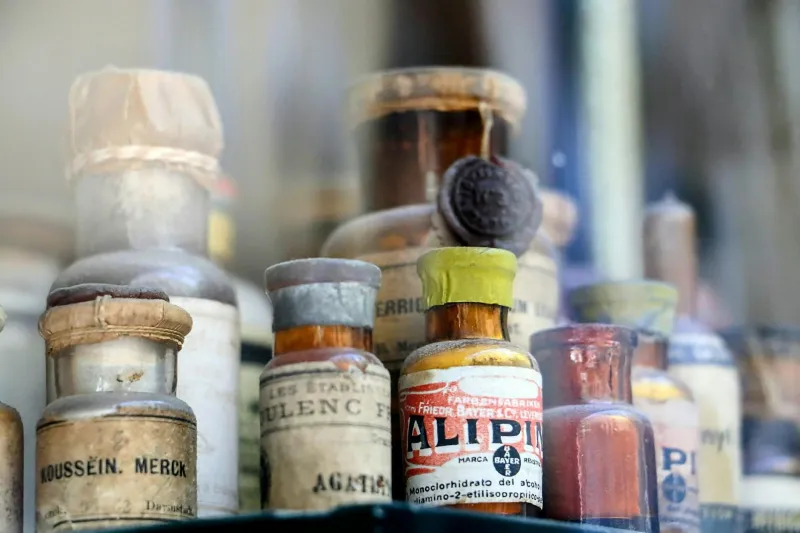
Before Antibiotics, a Sore Throat Could Kill You. Most of Us Have No Idea.

Before Antibiotics, a Sore Throat Could Kill You. Most of Us Have No Idea.

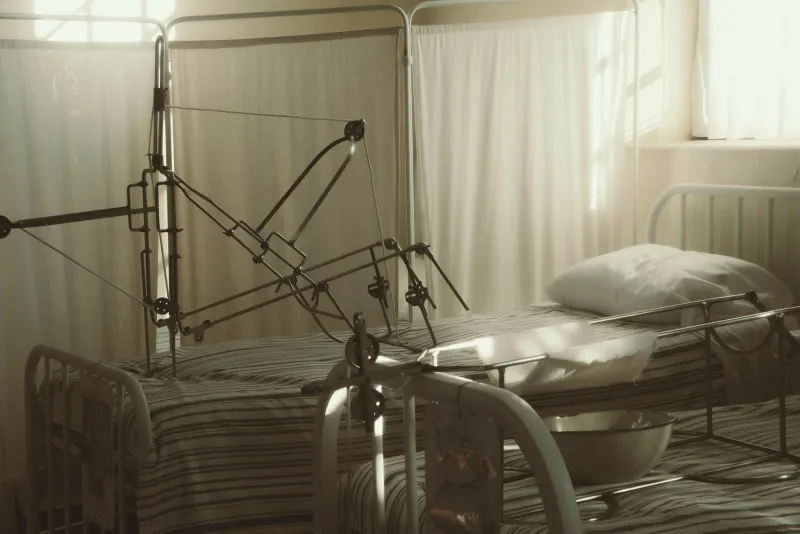
A century ago, a case of strep throat or a bout of pneumonia wasn't an inconvenience — it was a potential death sentence. The drugs that changed that reality arrived so fast and worked so well that most Americans today can't quite fathom what ordinary illness used to cost people. That forgetting might be one of the most dangerous things about modern medicine.

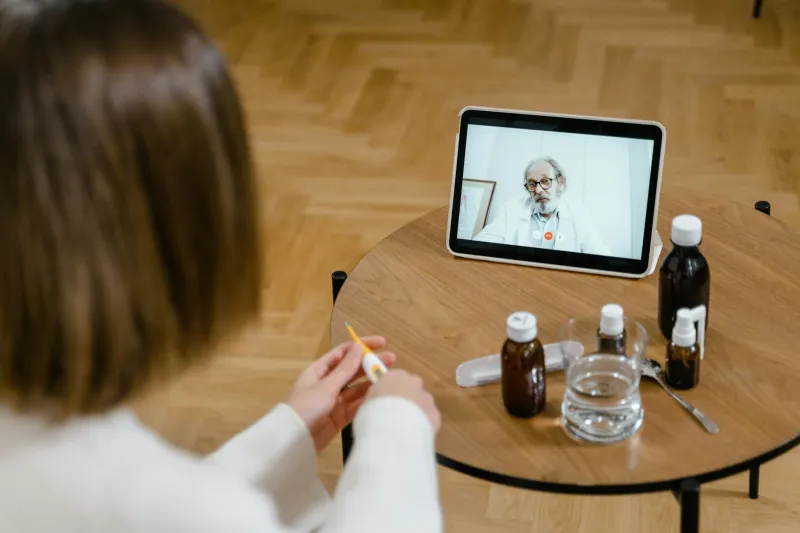
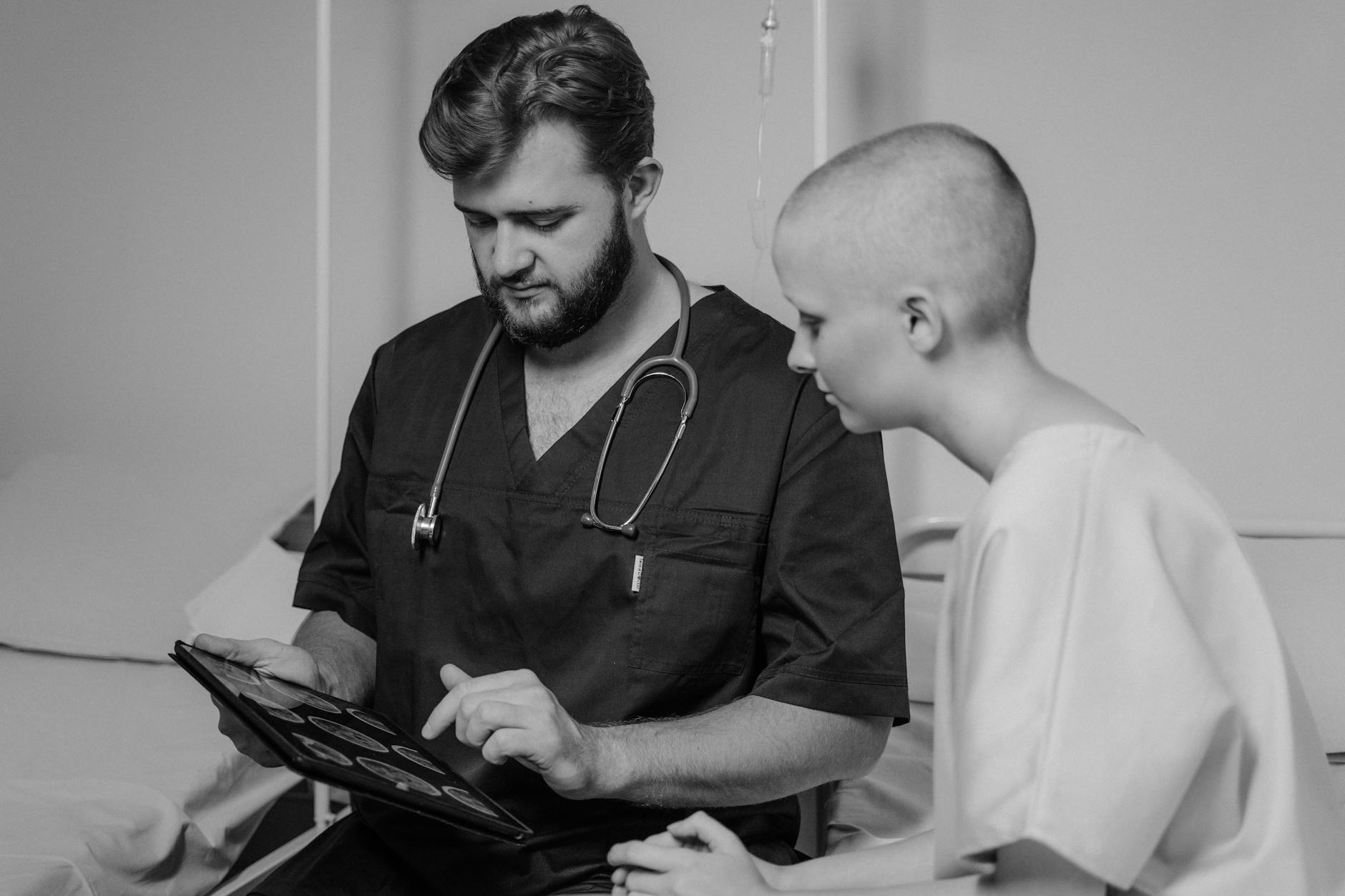
The Wait That Used to Define a Diagnosis Is Almost Gone

The Wait That Used to Define a Diagnosis Is Almost Gone

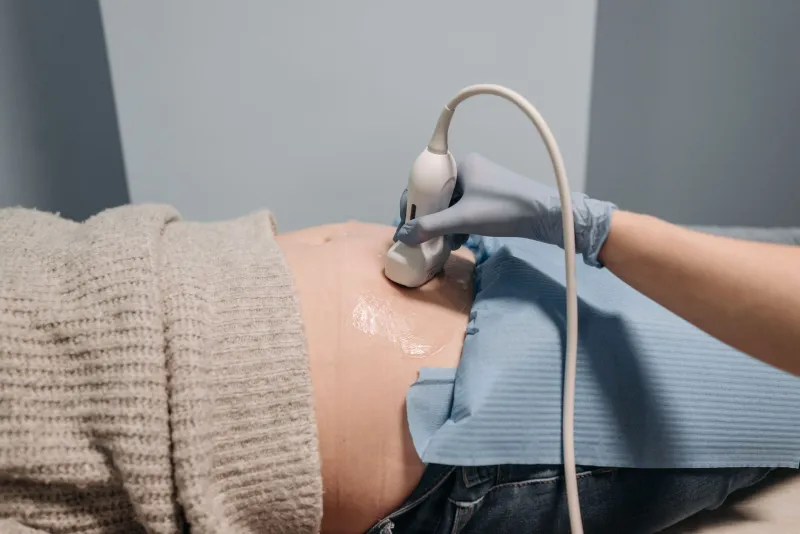
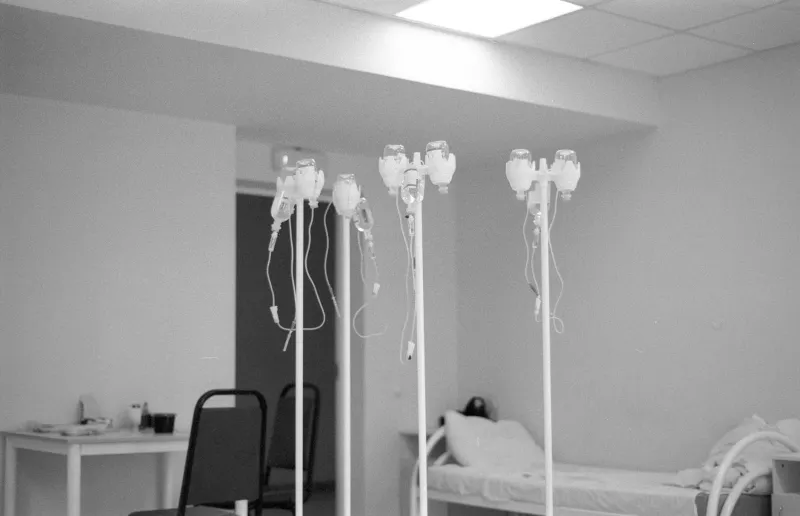
There was a time when finding out what was wrong with you could take weeks — and even then, the answer wasn't guaranteed to be right. Today, AI, portable scanners, and at-home test kits have collapsed that waiting period to minutes. That shift is quietly one of the most profound changes in modern healthcare.

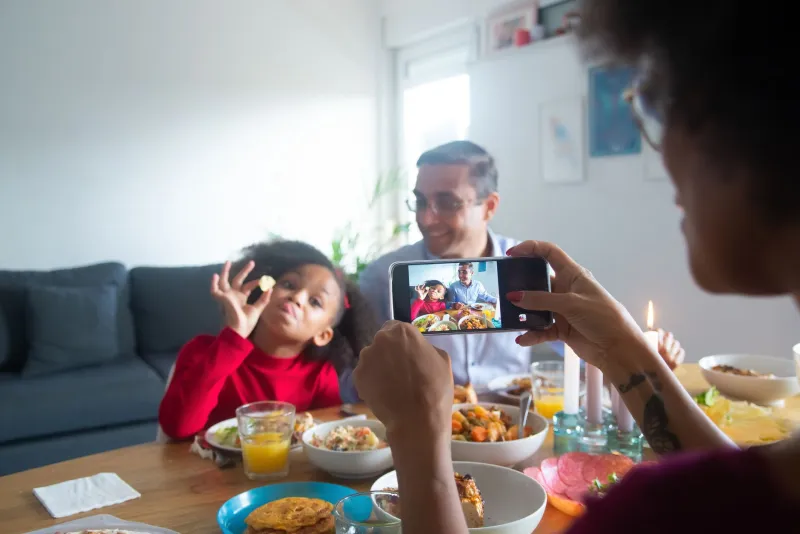
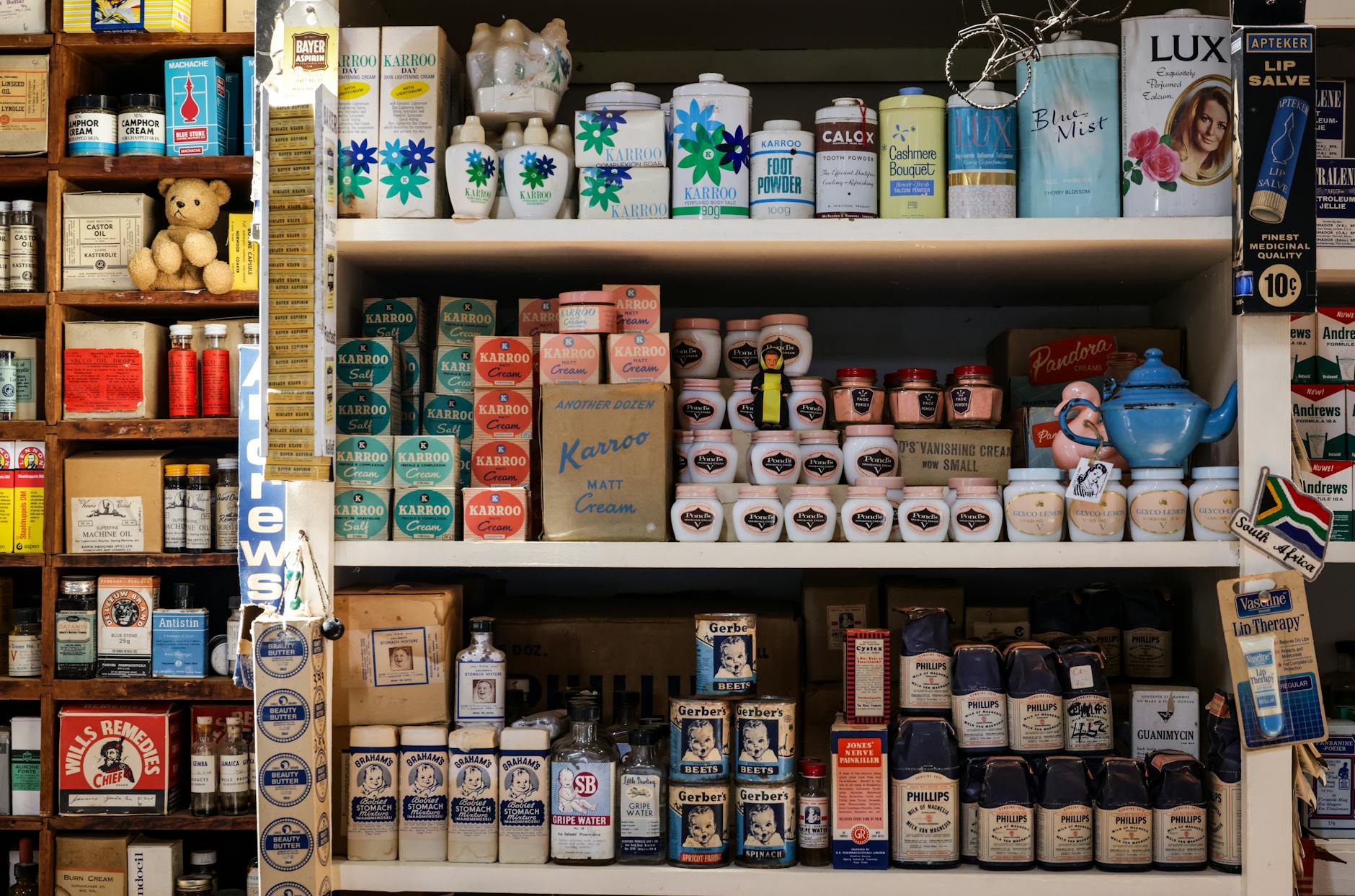
The American Grocery Store Didn't Always Look Like This

The American Grocery Store Didn't Always Look Like This

Walk into any American supermarket today and you're surrounded by 40,000 products, year-round strawberries, and spices from six continents. Fifty years ago, that same shopping trip looked completely different — and not just because of the prices. What we now think of as a basic grocery run would have looked like abundance to most mid-century American families.