Back Then Forward Home

Category

Finance

20 articles

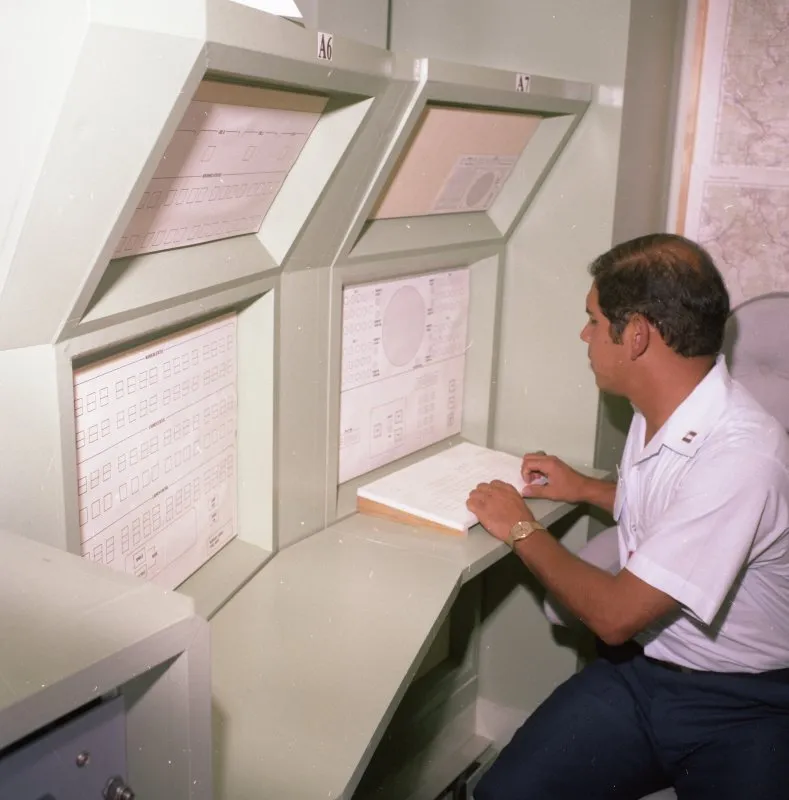
Retirement Used to Be a Finish Line. Now It's a Full-Time Job.

Retirement Used to Be a Finish Line. Now It's a Full-Time Job.

There was a time when retiring in America meant collecting what you'd earned, not managing what you'd built. Somewhere between the pension era and the algorithm age, the entire burden of financial security shifted from institutions to individuals — and most of us are still catching up.

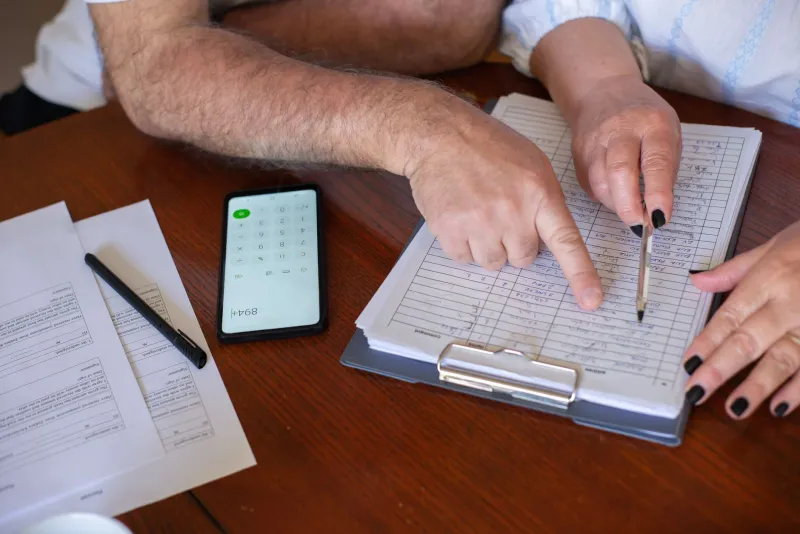
Buying a House Used to Fit on Two Pages. Now It Takes a Filing Cabinet.

Buying a House Used to Fit on Two Pages. Now It Takes a Filing Cabinet.

In mid-century America, buying a home often meant a handshake, a brief meeting at the local bank, and a deed that could be read in under ten minutes. Today, the same transaction generates hundreds of pages of disclosures, legal boilerplate, and digital forms that most buyers sign without reading. The question worth asking is whether all that paper actually protects anyone — or just makes a simple human transaction feel impossibly complicated.

One Mistake Used to Stay in the County. Now It Lives in the Cloud Forever.

One Mistake Used to Stay in the County. Now It Lives in the Cloud Forever.

A speeding ticket used to mean a fine, maybe a stern word from a judge, and then nothing. Today, that same infraction feeds into algorithms that quietly reshape your insurance rates, your job applications, and your financial profile for years. The paper trail became a digital shadow — and most of us never noticed it happen.

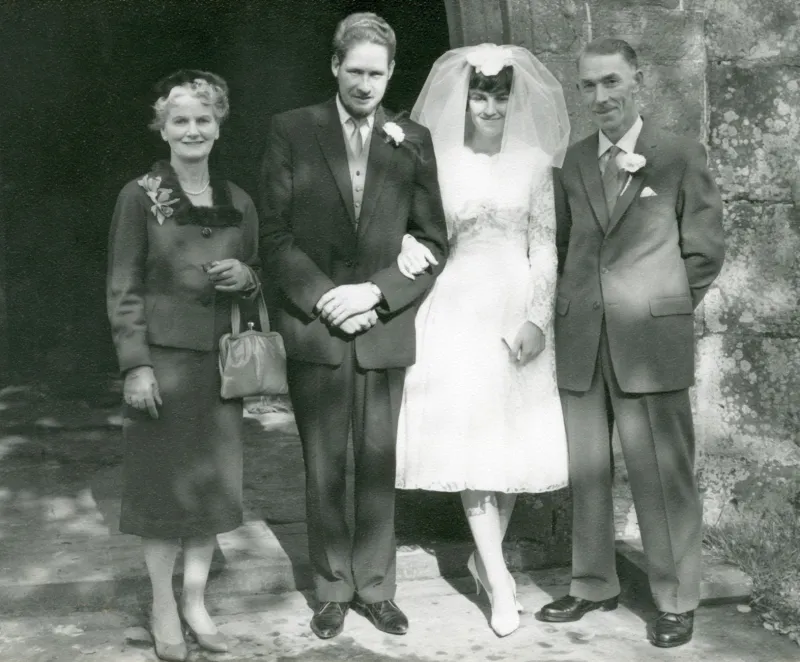
The American Wedding Used to Cost Less Than a Used Car — And Mean Just as Much

The American Wedding Used to Cost Less Than a Used Car — And Mean Just as Much

Before the wedding industry existed, Americans got married in backyards, church halls, and living rooms — with rings from the local jeweler, cakes baked by aunts, and receptions that cost roughly what a decent suit did. This is the story of how one of life's most personal moments became one of its most expensive transactions.

Payday Used to Feel Like Something. Now It Just Happens.

Payday Used to Feel Like Something. Now It Just Happens.

For most of the twentieth century, getting paid in America was a physical, deliberate act — a paper envelope or a check you held in your hands, cashed at a bank where someone knew your name, and then carefully divided into the envelopes and jars that ran your household. Direct deposit changed all of that quietly and permanently. The convenience is real. But so is what we lost.

Your Banker Used to Know Your Kids' Names. Then He Disappeared Into an Algorithm.

Your Banker Used to Know Your Kids' Names. Then He Disappeared Into an Algorithm.

There was a time when getting a home loan meant sitting across a desk from someone who watched you grow up. Today, that same process runs through automated systems that have never heard your voice and never will. The story of how American mortgage lending went from deeply personal to coldly mathematical is a story about more than just money.

The Friday Afternoon Ritual That Made Money Real

The Friday Afternoon Ritual That Made Money Real

When American workers lined up for their physical paychecks every Friday, money felt different. You could count it, fold it, and feel the weight of your week's work in your pocket—something today's direct deposits can't replicate.

A Man's Word Used to Be His Bond—Now Everything Needs a Lawyer

A Man's Word Used to Be His Bond—Now Everything Needs a Lawyer

There was a time when business deals happened with a handshake and personal reputation mattered more than paperwork. Today's culture of contracts, liability waivers, and legal protection has fundamentally changed how Americans do business and interact with each other.

When Watching Baseball Was Cheaper Than Buying Lunch

When Watching Baseball Was Cheaper Than Buying Lunch

A generation ago, taking the family to a baseball game cost less than dinner at McDonald's. Today, that same outing requires careful financial planning and often forces families to choose between attending games and paying bills.

When Death Brought the Neighborhood Together, Not a Corporate Sales Pitch

When Death Brought the Neighborhood Together, Not a Corporate Sales Pitch

Fifty years ago, losing a loved one meant turning to a local funeral director who probably knew your family's history and charged what a typical family could afford. Today, that same goodbye costs more than many people's cars, handled by corporations that treat grief like any other business transaction.

When Death Cost a Day's Wages, Not a Down Payment

When Death Cost a Day's Wages, Not a Down Payment

Your great-grandmother's funeral probably cost less than what Americans spend on a vacation today. Somewhere between then and now, saying goodbye became a luxury purchase that can drain a family's savings.

The Kitchen Vanished: How America Stopped Cooking for Itself

The Kitchen Vanished: How America Stopped Cooking for Itself

Fifty years ago, asking an American family where they'd eat dinner was almost a silly question—at home, of course. Today, that question doesn't feel silly at all. The rise of fast food, working mothers, and convenience culture didn't just change what we eat. It rewired the entire American household economy.

Your Grandparents Bought a House on One Salary. Here's Exactly What Changed.

Your Grandparents Bought a House on One Salary. Here's Exactly What Changed.

In postwar America, a factory worker could buy a three-bedroom house on a single income with a modest down payment and be done with it. Today, dual-income households are stretching to qualify for the same milestone. The gap between those two realities isn't an accident — it's a story decades in the making.

A College Degree Used to Be One of America's Safest Bets. What Happened?

A College Degree Used to Be One of America's Safest Bets. What Happened?

For most of the twentieth century, a four-year college degree was a straightforward middle-class investment — affordable, attainable, and almost reliably worth it. Today, that same degree can come with a price tag that takes decades to pay off. The numbers tell a story that goes well beyond student debt.

Retirement Was Designed for a Life Expectancy That No Longer Exists

Retirement Was Designed for a Life Expectancy That No Longer Exists

When Social Security launched in 1935, the average American barely lived long enough to collect it. The entire architecture of American retirement was built around a world where 30-year retirements simply didn't happen. That world is gone — but the system it created is still here.