When Death Brought the Neighborhood Together, Not a Corporate Sales Pitch
When Death Brought the Neighborhood Together, Not a Corporate Sales Pitch
When Eleanor Martinez's grandfather died in 1973, her family walked three blocks to Murphy's Funeral Home on Main Street. Tom Murphy had buried three generations of their neighbors. He knew her grandfather had been a machinist at the local plant, that money was tight, and that the family wanted something simple but dignified. The total bill came to $847—about what her grandfather had earned in six weeks.
When Eleanor's father passed away last year, she found herself in a gleaming corporate facility that felt more like a luxury hotel lobby than a neighborhood business. The "funeral director" was actually a recent hire from another state who'd never met anyone in her family. The itemized estimate she received looked like a car dealer's financing worksheet, complete with premium packages and optional upgrades. The final cost: $12,400.
The Death of the Family Business
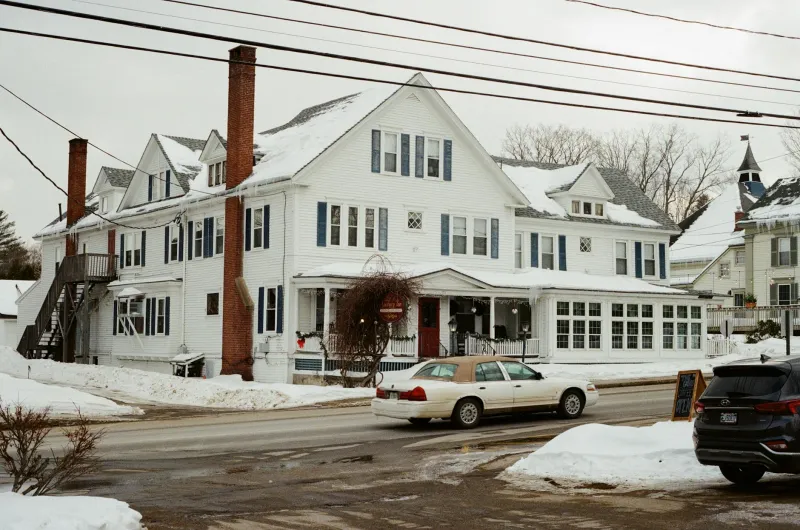
For most of American history, funeral homes were exactly what the name suggested—homes. Often literally the funeral director's actual residence, with a parlor converted for viewings and a hearse parked in the driveway. These were neighborhood institutions passed down through families, where the director's reputation depended entirely on treating grieving families with genuine care and respect.
Thomas Murphy learned the trade from his father, who'd learned it from his father. They knew which families preferred simple pine caskets, which churches required specific arrangements, and which neighbors would organize food for the bereaved without being asked. Pricing was straightforward: basic service, casket, and burial for what a working family could reasonably afford.
Today, three massive corporations—Service Corporation International, Dignity Memorial, and Carriage Services—control over 15% of America's funeral homes. But here's the thing most families don't realize: these corporate giants often keep the original family names on their acquired funeral homes. Murphy's Funeral Home might still say "Murphy's" on the sign, but Tom Murphy retired fifteen years ago, and the business now answers to shareholders in Houston.
When Grief Became a Growth Industry
The transformation didn't happen overnight. In the 1980s and 1990s, funeral home consolidation accelerated as corporations realized that grieving families rarely shop around or negotiate prices. Unlike almost every other major purchase, funeral arrangements are typically made under emotional duress, within days of a death, with little time for comparison shopping.
Corporate funeral homes introduced what the industry calls "value-added services"—a polite term for expensive add-ons that previous generations never considered necessary. Premium caskets with "memory foam" interiors. Video tributes. Customized urns. Online memorial websites. Flowers arrangements that cost more than most people spend on their living rooms.
The average funeral cost has increased nearly 1,000% since 1960, far outpacing inflation, housing costs, or even healthcare expenses. What once represented about six weeks of median income now consumes nearly four months of typical earnings for American families.
The Lost Art of Community Mourning
Beyond the financial impact, something more fundamental changed about how Americans process death. In Tom Murphy's era, funerals were community events. Neighbors automatically brought food, helped with arrangements, and stayed involved through the mourning period. The funeral home served as a gathering place where shared grief strengthened community bonds.
Corporate funeral homes, with their professional efficiency and standardized procedures, inadvertently discouraged this organic community support. Families began to feel that "everything was being handled," reducing the natural impulse for neighbors to step in and help. The result: more isolated grieving, higher costs, and less community cohesion during life's most difficult moments.
The Digital Disruption of Death
Ironically, technology—the same force that enabled corporate consolidation—is now creating alternatives. Online funeral planning services, direct cremation companies, and even "death cafes" where people discuss end-of-life preferences are emerging across the country. Some families are returning to home funerals, handling arrangements themselves with minimal professional intervention.
A growing number of communities are establishing funeral cooperatives, essentially recreating the neighborhood model that corporate consolidation dismantled. These cooperatives offer transparent pricing, community involvement, and the personal attention that characterized pre-corporate funeral care.
What We Lost (And What We're Finding Again)
The shift from neighborhood funeral homes to corporate death care represents more than just higher prices. It reflects a broader American trend toward efficiency over intimacy, standardization over personalization. When Tom Murphy handled a funeral, he was serving his neighbors. When Service Corporation International processes arrangements, they're serving quarterly earnings reports.
Yet something interesting is happening. As more families experience the impersonal, expensive corporate funeral process, they're actively seeking alternatives. Some are choosing green burials in natural settings. Others are planning elaborate celebrations of life that bypass traditional funeral homes entirely. Still others are working with the remaining independent funeral directors who've resisted corporate buyouts.
Eleanor Martinez recently helped her neighbor plan ahead for her own funeral arrangements. Instead of waiting for grief to make decisions for them, they researched options together, compared prices, and chose a small family-owned funeral home two towns over—run by Tom Murphy's nephew, who learned the trade the old-fashioned way.
"It felt like coming home," Eleanor said. "Someone who actually cared about doing right by our family, not maximizing profit from our loss."
In death, as in life, it turns out that bigger isn't always better—and sometimes the old ways were better ways.