When Doctors Made House Calls and Actually Knew Your Middle Name
The Doctor Who Knew Everything About You
Dr. William Henderson kept his patient files in a battered wooden cabinet behind his desk. Each manila folder told a story—not just of symptoms and treatments, but of families, neighborhoods, and lives lived across decades. When little Tommy Morrison came in with a broken arm in 1962, Dr. Henderson already knew about Tommy's father's bad back from working at the steel mill, his mother's anxiety attacks, and even that the family's German Shepherd had a habit of knocking over garbage cans.
This wasn't unusual. It was American medicine.
For most of the 20th century, healthcare revolved around a single, powerful relationship: you and your family doctor. This physician—almost always a general practitioner—delivered your children, treated your illnesses, and often sat at your bedside during your final moments. He made house calls when you were too sick to travel. He knew your family history not from a computer database, but from treating your parents and grandparents before you.
The House Call Era
In 1940, family physicians made roughly 40% of all patient visits in the home. Picture this: your doctor, black bag in hand, climbing the stairs to your child's bedroom to examine a fever that had you worried sick at 2 AM. He'd sit on the edge of the bed, take a temperature with a glass thermometer, and offer reassurance that came from years of knowing your family's medical patterns.
Dr. Henderson, like thousands of family doctors across America, carried everything he needed in that iconic black bag. Stethoscope, blood pressure cuff, thermometer, basic medications, and sometimes even surgical instruments for emergency procedures. He delivered babies on kitchen tables when there wasn't time to get to the hospital. He stitched up farm accidents in barns. He declared people dead in their own beds, surrounded by family who had known him for decades.
The relationship was intensely personal. Your doctor attended your wedding, knew about your job troubles, and understood how your mother's death had affected your sleep patterns. Medical records were handwritten notes that captured not just symptoms, but context. "Mrs. Patterson seems more anxious since her husband's layoff," a typical note might read. "Recommending chamomile tea and a follow-up in two weeks."
When Everything Changed
The transformation didn't happen overnight, but by the 1980s and 1990s, the writing was on the wall—or rather, on the insurance forms.
The rise of health insurance networks fundamentally altered how Americans accessed medical care. Instead of paying your family doctor directly—often with cash, chickens, or a promise to pay later—patients now navigated networks of "preferred providers." Your longtime family physician might not be covered by your new employer's plan, forcing you to start over with someone new.
Medical education evolved too. The old-school general practitioners were gradually replaced by physicians trained in family medicine—a more specialized approach that emphasized evidence-based protocols over intuitive, relationship-based care. Doctors spent less time in small communities and more time in larger medical groups and hospital systems.
Technology accelerated the shift. Electronic health records replaced those handwritten files, bringing efficiency but reducing the personal touch. A doctor could now access your complete medical history with a few clicks, but they might be seeing that history for the first time during your appointment.
Today's Medical Maze
Walk into a modern medical facility and the contrast is stark. You might see a different provider at every visit—nurse practitioners, physician assistants, rotating residents, or hospitalists who specialize in in-patient care. Your "primary care physician" may work in a practice with dozens of other doctors, seeing 30-40 patients per day instead of the 15-20 that Dr. Henderson managed.
The average patient visit now lasts about 18 minutes, compared to the hour-long conversations that were common in the 1950s. Doctors spend much of that time entering data into computers, following standardized protocols, and managing insurance requirements. The personal relationship that once defined American medicine has been replaced by efficiency, specialization, and systematic care.
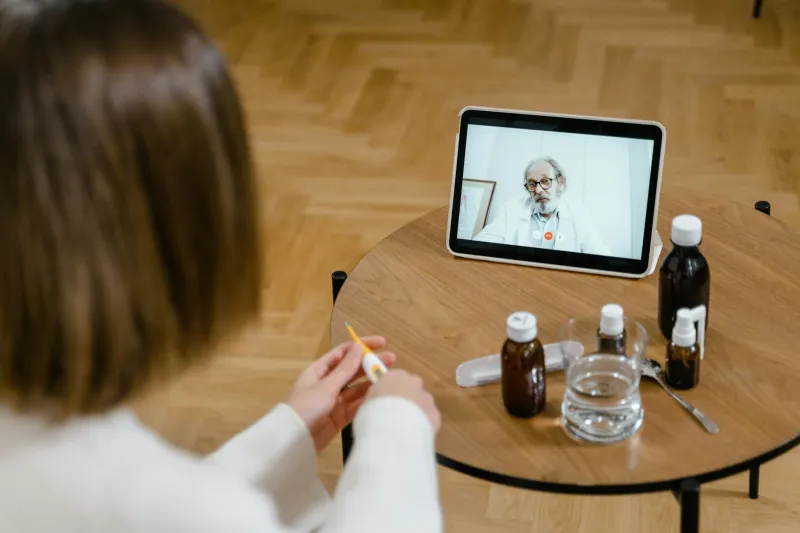
Urgent care clinics have largely replaced house calls. When you're sick, you drive to a strip mall facility where you'll likely see a provider you've never met before. They'll treat your symptoms competently and efficiently, but they won't know that your anxiety spikes during flu season because your father died of pneumonia, or that you respond poorly to certain medications because of your family's genetic quirks.
What We Gained and Lost
Modern medicine is undeniably more effective. Today's physicians have access to diagnostic tools, treatments, and knowledge that Dr. Henderson couldn't have imagined. Survival rates for heart attacks, cancer, and countless other conditions have improved dramatically. Preventive care is more systematic and evidence-based.
But something intangible was lost in the transition. The comfort of being known—really known—by your healthcare provider. The peace of mind that came from a doctor who understood your family's medical patterns across generations. The human connection that made illness feel less isolating and frightening.
The Search for Middle Ground
Some medical practices are trying to bridge this gap. Concierge medicine offers more personal relationships but at a premium price. Some family medicine practices are limiting patient loads to allow for longer visits. Technology companies are developing AI tools to help doctors remember personal details about patients.
Yet the fundamental structure of American healthcare—driven by insurance networks, efficiency metrics, and specialization—makes it difficult to return to the Dr. Henderson model. We've traded the intimacy of personal care for the precision of modern medicine. Whether that trade-off was worth it depends on what you value most: the comfort of being known, or the confidence of being treated with the latest medical knowledge.
The family doctor who knew your name, your parents' names, and your dog's name too represents more than nostalgia. He represents a different philosophy of healing—one that understood that medicine isn't just about treating symptoms, but about caring for whole human beings within the context of their lives and communities.