When Taking a Real Lunch Break Wasn't a Radical Act
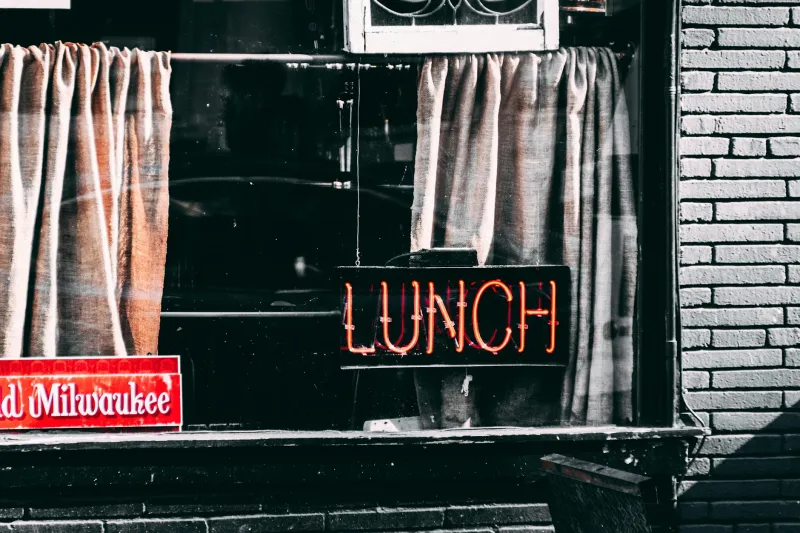
When Lunch Actually Meant Leaving
In 1955, if you called an office at 12:30 PM, you'd likely hear a busy signal or get no answer at all. This wasn't poor customer service—it was standard practice. The lunch hour was as immovable as the morning commute, and businesses planned around it.
Workers would shut down their typewriters, lock their desk drawers, and walk to the nearest diner or cafeteria. The concept of eating while working was almost unthinkable. Lunch was a complete break from the job, a daily ritual that separated morning productivity from afternoon focus.
Restaurants built their entire business models around this predictable flood of customers. The "lunch counter" wasn't just furniture—it was an institution. Diners hired extra staff specifically for the noon rush, and menus featured "businessman's specials" designed to feed and satisfy within that sacred hour.
The Architecture of the Midday Break
Mid-century office buildings reflected this lunch culture in their very design. Ground floors housed cafeterias, lunch counters, and restaurants. Building planners understood that workers needed nearby places to eat that weren't their desks.
Company cafeterias weren't the sad affairs we might imagine today. They were social hubs with proper kitchens, varied menus, and actual tables where colleagues could sit and talk about something other than quarterly reports. Some larger corporations even subsidized these facilities, viewing proper lunch breaks as essential to worker productivity.
The typical office worker of the 1960s would have been baffled by today's "working lunch." Lunch was specifically designed to be the opposite of work—a mental reset, a chance to digest both food and the morning's tasks before tackling the afternoon.
How We Convinced Ourselves Busy Was Better
The erosion happened gradually, then suddenly. The 1980s brought a new corporate culture that equated constant activity with success. Taking a full lunch hour started to feel indulgent, even lazy. The phrase "power lunch" emerged, transforming meals into extended business meetings.
Technology accelerated the decline. Email meant you could be reached during lunch. Cell phones made you available anywhere. Suddenly, stepping away from your desk for an hour felt like abandoning your responsibilities rather than fulfilling a basic human need.
The rise of fast-casual dining played a role too. When you could grab a sandwich and eat it in ten minutes, why take sixty? Efficiency became the enemy of restoration. We optimized lunch the same way we optimized everything else—for speed, not satisfaction.
What the Research Says We Lost
Modern workplace studies reveal the cost of our lunch break amnesia. Workers who take proper breaks return to their desks more focused and creative. The midday pause allows the brain to process information and reset attention spans that naturally flag after several hours of concentration.
Nutritionists point out that eating while distracted—scrolling through emails or reviewing documents—leads to overeating and poor digestion. Our grandparents' generation understood something we forgot: meals require attention to be truly nourishing.
Social connections suffer too. The informal conversations that happened over lunch used to build workplace relationships and company culture. Today's isolated desk dining eliminates these casual interactions that often proved more valuable than formal team-building exercises.
The Guilt of Going Offline
Perhaps most tellingly, many modern workers feel guilty about taking lunch breaks. They apologize for being unavailable during midday, as if eating lunch were a personal failing rather than a basic human need.
This represents a dramatic shift in workplace expectations. The generation that built post-war American prosperity understood that sustainable productivity required regular rest. They weren't lazy—they were strategic about maintaining their energy and focus throughout long careers.
Today's always-on culture mistakes motion for progress, availability for dedication. We've created workplaces where being constantly accessible is valued more than being genuinely productive.
The Quiet Revolution of Stepping Away
Some companies are rediscovering what their predecessors knew instinctively. Forward-thinking employers now encourage proper lunch breaks, understanding that well-rested employees outperform exhausted ones.
France famously protects workers' right to disconnect during lunch, but this shouldn't seem radical—it's simply returning to what was once standard American practice. The idea that you need legal protection to eat lunch without checking email shows how far we've drifted from workplace sanity.
What We Can Learn from the Past
The lunch break wasn't just about food—it was about maintaining boundaries between work and life within the workday itself. It acknowledged that humans need regular breaks to function optimally, and that productivity isn't measured by hours spent at a desk.
Our predecessors understood something we've forgotten: taking care of yourself isn't selfish—it's essential. They built a work culture around sustainable habits rather than unsustainable heroics.
The next time you feel guilty about taking a real lunch break, remember that you're not being lazy—you're being traditional. You're honoring a practice that helped build the most productive economy in history, one proper meal at a time.