The American Wedding Used to Cost Less Than a Used Car — And Mean Just as Much
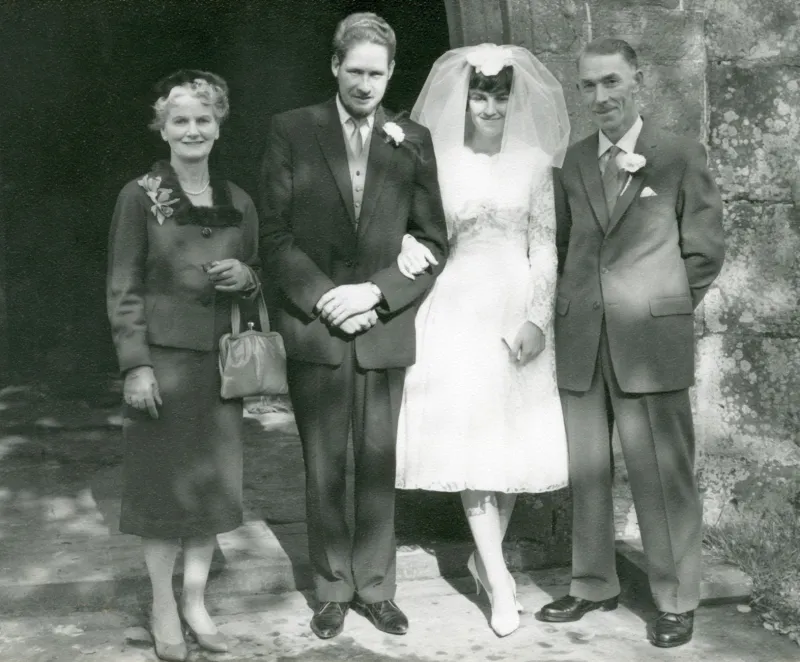
In the summer of 1948, a young couple in rural Ohio got married on a Saturday afternoon in the bride's parents' backyard. The ring cost twelve dollars from a local jeweler — simple gold band, no stone. The cake was made by the groom's aunt over two days. The reception was held in the church fellowship hall, with sandwiches, punch, and a neighbor who played piano. Total cost to both families combined: somewhere around a hundred and fifty dollars.
They were married for fifty-three years.
The average American wedding in 2023 cost approximately $35,000. In major cities, that number climbs considerably higher. And yet the divorce rate hasn't budged in proportion to the investment. Somewhere between that Ohio backyard and the modern ballroom reception with the custom floral arch and the photo booth and the signature cocktail named after the couple's dog, something fundamental changed — not about love, but about what love was supposed to look like on a Saturday afternoon in June.
The Wedding Before the Industry
For most of American history, weddings were community events organized by the people who already knew you. There was no wedding planner, no venue coordinator, no preferred vendor list. The ceremony happened at a church or at home. The reception happened wherever there was enough room — a backyard, a grange hall, a cleared-out living room.
Contributions were communal. Women in the community baked. Men arranged chairs and tables. The music came from whoever in the congregation played an instrument. Flowers came from gardens. The dress was often sewn by the bride's mother or an aunt, or it was borrowed, or it was a good dress the bride already owned and would wear again.
The ring was practical. Wedding bands in the early twentieth century were typically simple gold or silver bands — meaningful as symbols precisely because the symbolism didn't require a price tag. Diamond engagement rings existed, but they were far from standard. The idea that a man should spend two months' salary on a diamond ring is not a timeless romantic tradition. It's an advertising slogan, coined by the De Beers diamond cartel in 1947 and refined through one of the most successful marketing campaigns in American history.
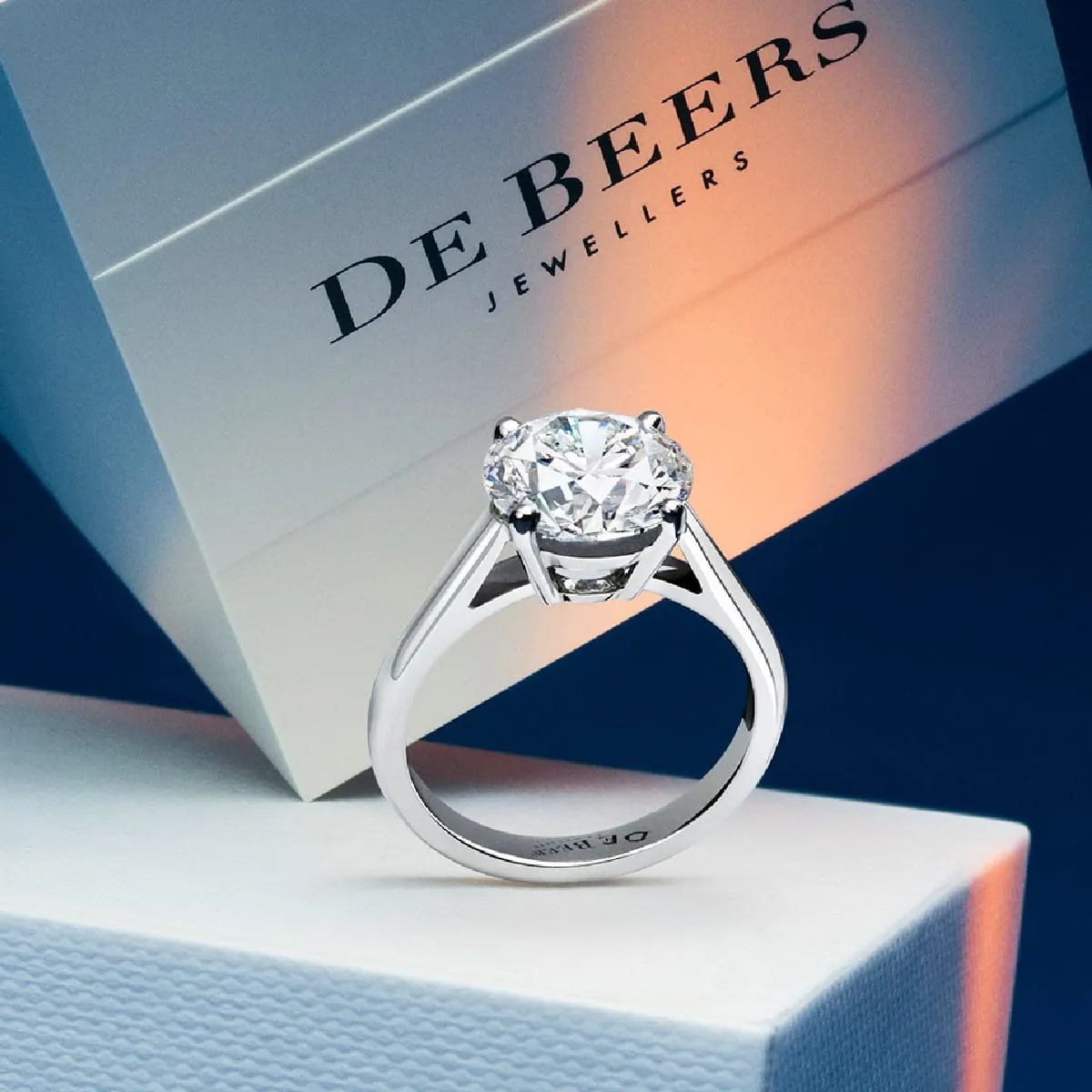 Photo: De Beers, via www.mayfair-london.co.uk
Before that campaign ran, most American men did not buy diamond engagement rings. Within a generation, most did.
How the Industry Built Itself
The professionalization of the American wedding happened gradually and then very quickly. The postwar economic boom created the conditions: rising incomes, growing consumer culture, a new emphasis on the home and family as sites of aspiration and display. Weddings, as highly visible social rituals, became natural targets for commercialization.
Bridal magazines emerged in the 1950s and '60s as aspirational publications that defined what a "proper" wedding looked like — and what it required. Professional wedding photographers replaced the uncle with a good camera. Catering businesses replaced the neighborhood potluck. Dedicated reception venues replaced church halls. Each new professional category created a new cost center, and each new cost center gradually became an expectation.
By the 1980s, the wedding industry was a significant economic force. By the 2000s, it was a multi-billion-dollar ecosystem with its own television programming, its own trade shows, and a remarkably consistent ability to make couples feel that anything less than the full package was somehow a diminishment of their commitment.
The emotional logic was elegant and almost impossible to argue with: this is the most important day of your life. Don't you want it to be perfect?
What the Modern Couple Actually Buys
The modern American wedding budget breakdown is a useful document. The venue typically consumes the largest share — often between $5,000 and $15,000 for a mid-range option. Photography runs $2,500 to $5,000 or more. Catering, floral arrangements, music, videography, the dress, the rehearsal dinner, the honeymoon — each line item carries its own industry-set baseline of what's considered acceptable.
What's striking is how many of these costs are relatively recent inventions. Wedding videography didn't exist as a professional service until the 1980s. Photo booths became a reception staple in the 2010s. The concept of a wedding "hashtag" is barely a decade old. Each era adds new expected elements, and the expected elements rarely get removed.
Meanwhile, couples are increasingly starting their marriages carrying the debt of the wedding itself. A 2022 survey found that roughly one in three couples went into debt to pay for their wedding, with an average debt load of several thousand dollars. The most important day of your life, financed over eighteen months.
What Got Lost in the Transaction
The backyard wedding of 1948 had something the catered ballroom event sometimes struggles to replicate: the labor of people who loved you. When the groom's aunt baked the cake, that cake contained something no professional pastry chef could invoice for. When the neighbor played piano, the music meant something specific because of who was playing it. The imperfections — the slightly lopsided tier, the punch that ran out an hour early — were part of the memory, not failures of vendor management.
There's a version of wedding culture that's been trying to find its way back to this. Backyard weddings, elopements, micro-weddings, courthouse ceremonies followed by a family dinner — all have seen renewed interest among younger couples, particularly those who've done the math on $35,000 and decided the down payment on a house tells a more compelling story about their future together.
The Ring, the Cake, and the Point
None of this is an argument that modern weddings are wrong. Plenty of couples spend generously on their wedding day and never regret a dollar of it. The professional wedding industry employs hundreds of thousands of Americans, and many of those vendors do genuinely beautiful work.
But it's worth holding the Ohio backyard in mind for a moment. Twelve-dollar ring. Aunt's cake. Neighbor on the piano. Fifty-three years.
The wedding industry didn't invent lasting marriages. It just convinced several generations of Americans that the celebration required a budget the couple's grandparents would have found genuinely baffling — and that anything simpler was somehow settling for less.
The couple in Ohio didn't know they were supposed to feel that way. Which might be exactly why they didn't.