When Cardboard Dreams Became Million-Dollar Investments (And Then Worthless Paper Again)
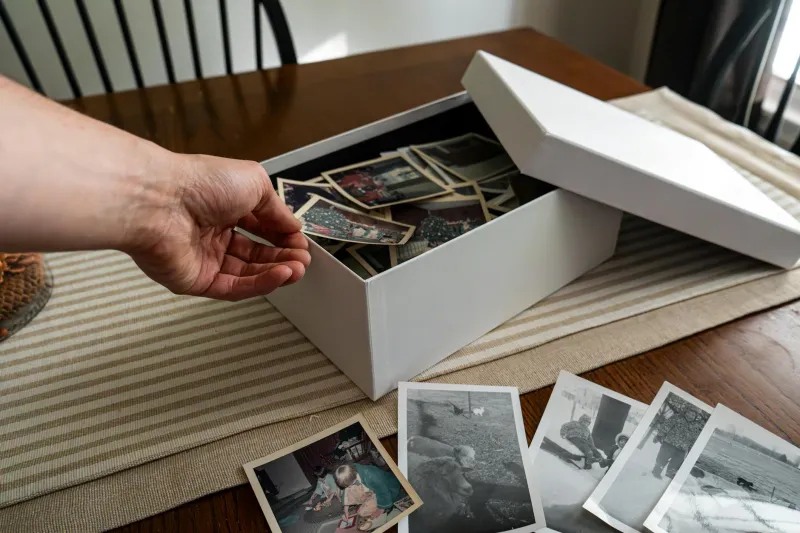
The Shoebox Under Every American Bed
In 1952, a pack of Topps baseball cards cost a nickel. Kids bought them for the stale pink gum, flipped through the pictures of their heroes, and maybe traded a few duplicates with friends. The cards ended up rubber-banded in shoeboxes, forgotten in attics, or—more often—destroyed by bicycle spokes clicking against the cardboard as young cyclists pretended to ride motorcycles.
Nobody was thinking about retirement portfolios. They were just kids collecting pictures of ballplayers.
Fast-forward to 1991, and that same hobby had transformed into something unrecognizable. A mint-condition 1952 Mickey Mantle card—the same one kids had casually traded for a Willie Mays or thrown away when mom cleaned house—sold for $49,500. Suddenly, every American with a childhood memory of baseball cards was digging through storage units.
 Photo: Mickey Mantle, via pngimg.com
When Nostalgia Became an Asset Class
The transformation didn't happen overnight. During the 1980s, as the first generation of serious card collectors reached adulthood with disposable income, something shifted. Cards stopped being toys and became "collectibles." Price guides appeared. Protective plastic sleeves replaced rubber bands. Card shops opened in strip malls across America.
By the early 1990s, the baseball card market had exploded into a billion-dollar industry. Upper Deck revolutionized the market in 1989 with premium cards featuring glossy photos and anti-counterfeiting holograms. Suddenly, a pack of cards could cost $5 or more. Parents lined up at card shows. Investment newsletters tracked rookie cards like stock picks.
 Photo: Upper Deck, via fb.ru
The psychology was intoxicating: Americans could literally invest in their childhood memories. Every father who had thrown away his 1960s cards saw a chance to recapture that magic—and maybe make money doing it.
The Bubble That Burst Everything
Then came the crash that nobody saw coming, though in hindsight, all the warning signs were flashing.
Card companies, drunk on profits, began printing cards by the millions. What had once been scarce became common. Fleer, Donruss, Score, and dozens of smaller companies flooded the market. By 1994, there were over 40 different baseball card sets released in a single year. The same Ken Griffey Jr. rookie card that seemed rare in 1989 had been reprinted so many times that every kid in America owned three copies.
 Photo: Ken Griffey Jr., via cdn-s-www.lejsl.com
The speculation bubble burst with devastating speed. Cards that had sold for hundreds of dollars became worthless overnight. Entire card shops closed. Parents who had bought cases of 1990s cards as "college funds" discovered they had purchased very expensive cardboard.
For nearly two decades, baseball cards became a cautionary tale about American excess. Garage sales were littered with boxes of worthless 1990s cards. The hobby seemed dead, a relic of pre-internet America when people still collected physical objects.
The Resurrection Nobody Expected
But something remarkable happened around 2016. A new generation discovered baseball cards—not as investments, but as genuine collectibles again. Social media fueled the revival as collectors shared pack openings on YouTube and Instagram. The same psychological triggers that had driven the 1990s boom returned, but with a crucial difference: scarcity was real again.
Modern card companies learned from the overproduction disasters of the past. Print runs became limited. Autographed cards and game-used memorabilia created authentic rarity. Most importantly, vintage cards from before the bubble—especially those from the 1950s through 1980s—had genuinely become scarce as millions had been lost or destroyed over the decades.
The results have been staggering. In 2022, a 1952 Mickey Mantle card sold for $12.6 million—the highest price ever paid for a sports collectible. Cards that had been worthless for 20 years suddenly commanded serious money again. Even some 1990s cards, if they featured the right players in perfect condition, found new value.
What the Cardboard Cycle Reveals About America
The rise, fall, and resurrection of baseball card collecting reflects something deeper about how Americans assign value to objects from their past. We're a nation that simultaneously embraces the future while desperately clinging to childhood memories.
The original appeal of cards was simple: they connected kids to their heroes. When that emotional connection got wrapped up in investment potential, the hobby lost its soul. But the recent revival suggests that Americans have rediscovered the balance between nostalgia and financial speculation.
Today's collectors seem more aware of the bubble's lessons. They're buying cards they genuinely love, not just ones they think will appreciate. The market has matured into something that honors both the emotional value of childhood memories and the legitimate scarcity of well-preserved vintage items.
The Lesson in the Shoebox
The baseball card boom, bust, and boom again teaches us that American nostalgia is a powerful force—but a dangerous investment strategy. When we try to turn childhood memories into retirement plans, we often destroy the very thing we're trying to preserve.
Yet the hobby's survival also proves something hopeful: genuine passion tends to outlast speculative bubbles. The kids who loved cards in 1952 grew up to become collectors who appreciated them for the right reasons. Their children, having learned from the 1990s excess, approach collecting with both enthusiasm and wisdom.
Somewhere in America right now, a kid is opening a pack of cards, hoping to find their favorite player. They're not thinking about investment potential or market trends. They're just excited about baseball—exactly like kids were 70 years ago. That's probably the most valuable thing about the hobby, and no market bubble can change it.