The Friday Afternoon Ritual That Made Money Real
When Payday Had a Line
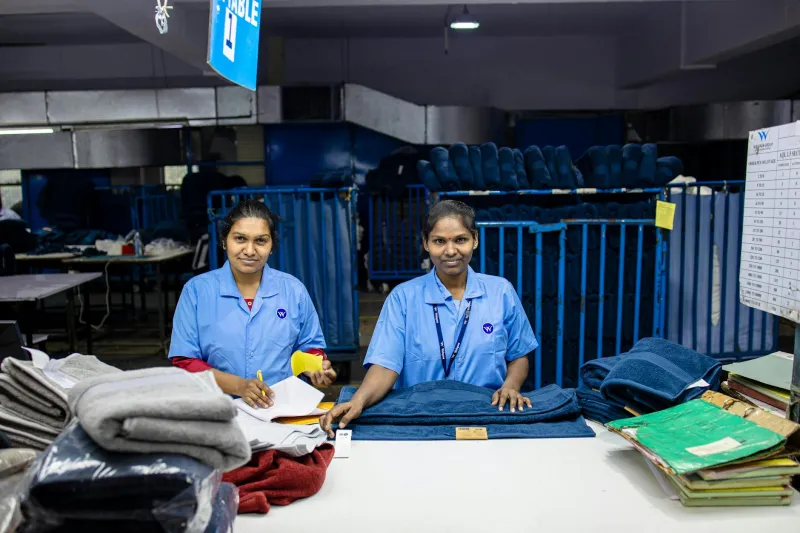
Every Friday at 4:30 PM, the line formed outside the payroll window at Bethlehem Steel. Workers in hard hats and coveralls waited patiently as the payroll clerk called out names and handed over small manila envelopes containing the week's wages in cash and a handwritten stub showing the deductions.
 Photo: Bethlehem Steel, via www.greenmotorsport.it
Joe Kowalski would tear open his envelope right there, count the bills twice, and fold them carefully into his wallet. The weight of those bills in his pocket during the walk home felt like accomplishment. He knew exactly how much he'd earned, how much he'd spent, and how much remained—not because he checked an app, but because money was physical.
 Photo: Joe Kowalski, via www.google.com
That ritual disappeared so gradually that most Americans didn't notice it was gone.
The Texture of Earning
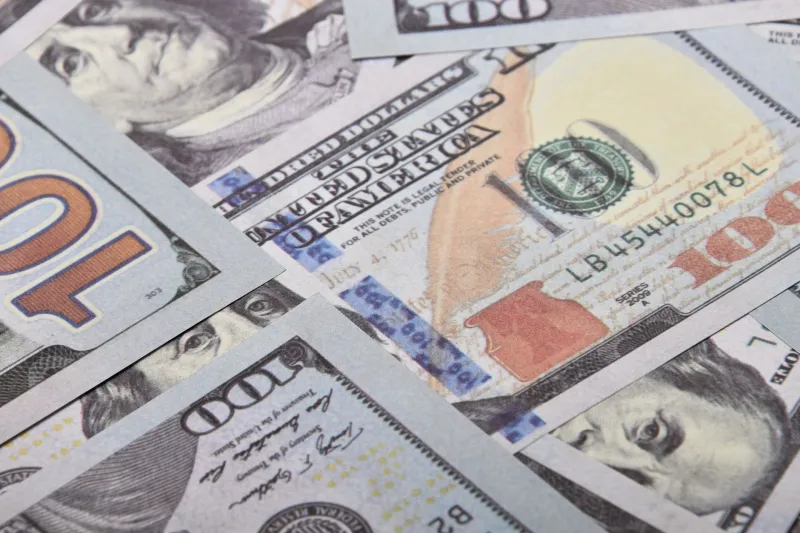
Physical paychecks created a different relationship with money than today's invisible transactions. When wages arrived as folded bills and coins, spending required deliberate action. You had to reach into your wallet, count out the amount, and hand it over. Every purchase involved a conscious decision to part with something tangible.
Workers developed an intuitive understanding of their finances because money had weight, thickness, and presence. A full wallet felt different from an empty one. Running low on cash meant seeing the bills disappear, not checking a balance on a screen.
This tactile relationship with money influenced spending habits in ways we're only beginning to understand. Studies consistently show that people spend less when using cash compared to cards or digital payments. Physical money creates what psychologists call "payment pain"—a small psychological cost that makes each transaction feel real.
The Friday Afternoon Economy
Payday wasn't just about receiving wages; it was about participating in a weekly economic ritual that connected workers to their communities. After cashing their checks, workers would stop by local businesses—the corner grocery, the neighborhood bar, the family restaurant. Money moved immediately from employer to employee to local merchant, creating a visible economic ecosystem.
Banks stayed open late on Fridays to accommodate the rush of workers cashing paychecks. Check-cashing services thrived in working-class neighborhoods. Employers often paid in cash to avoid banking fees, and many workers preferred it that way—no waiting for checks to clear, no bank holds, no questions about when funds would be available.
The physical nature of payday also created natural budgeting systems. Workers would divide their cash into different envelopes or pockets—rent money, grocery money, entertainment money. This envelope system made it impossible to accidentally overspend in one category because the physical separation enforced the limits.
The Invisible Revolution
Direct deposit arrived in the 1970s as a convenience feature for government employees and gradually spread to private companies. Banks promoted it as safer and more efficient. Employers embraced it to reduce payroll processing costs. Workers accepted it because it eliminated the Friday afternoon trip to the bank.
By the 1990s, most American workers received their pay through electronic transfer. By the 2000s, physical paychecks had become almost extinct outside of small businesses and temporary work. Today, many young workers have never held a paycheck or experienced the ritual of Friday afternoon cash.
This transition happened so smoothly that few people questioned what might be lost in the process. Direct deposit was clearly more convenient—no lines, no lost checks, no delays. But convenience came with hidden costs that only became apparent years later.
When Money Became Abstract
Digital payments transformed money from a physical object into an abstract concept. Today's workers see their pay as numbers on screens rather than bills in envelopes. Spending happens through taps, swipes, and clicks rather than conscious decisions to part with physical currency.
This abstraction affects spending behavior in profound ways. Credit cards, debit cards, and mobile payments all make transactions feel less real than cash exchanges. The psychological distance between earning and spending has grown so wide that many people struggle to connect their daily purchases with their actual income.
Modern budgeting requires spreadsheets, apps, and constant vigilance because the natural feedback mechanisms of physical money no longer exist. You can't feel your wallet getting lighter or see your cash reserves diminishing. Instead, you have to actively check balances and track spending—tasks that require discipline rather than intuition.
The Lost Lessons of Cash
Physical paychecks taught lessons that digital transactions can't replicate. When money was tangible, children learned about work and wages by watching their parents handle cash. The connection between labor and reward was visible and immediate.
Workers understood overtime differently when it meant extra bills in the envelope. Raises felt more significant when they translated to thicker stacks of cash. Budgeting happened naturally because physical money provided constant feedback about spending patterns.
The envelope system forced workers to prioritize expenses because once the grocery money was spent, it was gone. There was no way to accidentally use rent money for entertainment because the cash lived in different pockets. This created financial discipline without requiring financial education.
The Convenience Trap
Direct deposit and digital payments solved real problems—lost checks, long bank lines, security concerns. But they also created new challenges that we're still learning to address. When money becomes invisible, it becomes easier to ignore.
Credit card companies and banks profit from this abstraction. The easier it becomes to spend money, the more money people spend. The psychological distance between purchase and payment encourages consumption in ways that cash transactions never did.
Modern financial technology promises to solve these problems through apps, alerts, and automated budgeting tools. But these solutions treat symptoms rather than causes. They try to recreate digitally the natural feedback mechanisms that physical money provided automatically.
What We Can Learn from Friday Afternoons
Some financial advisors now recommend returning to cash-based systems for discretionary spending. They suggest withdrawing weekly allowances for entertainment, dining, and shopping—essentially recreating the envelope system in a digital age.
Others advocate for "mindful spending" practices that slow down transactions and force conscious decisions about purchases. These approaches try to rebuild the psychological connection between earning and spending that physical money created naturally.
The Weight of Work
There was something profound about walking home on Friday afternoon with the week's wages folded in your pocket. Those bills represented hours of work, skill applied, and value created. The physical weight of money connected workers to their labor in ways that direct deposit notifications can't match.
We gained convenience when we digitized money, but we lost something harder to quantify—the tangible connection between work and reward, the natural feedback that kept spending in check, and the weekly ritual that made earning feel like accomplishment rather than just data transfer.
Maybe that's why your grandfather always seemed to know exactly how much money he had without ever checking a balance. He could feel it.