The Lunch Pail, the Cafeteria, and the Culture War That Ate the American School Lunch
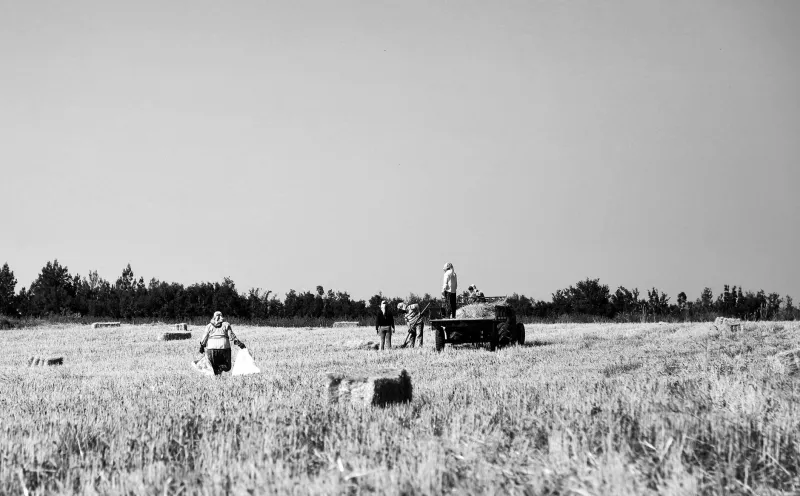
For most of American history, lunch at school wasn't a complicated thing. A kid left the house in the morning with a metal pail — later a paper bag, later a plastic box with a cartoon character on it — and inside was whatever the family had. A sandwich. A piece of fruit. Maybe a hard-boiled egg or some leftover biscuits. You ate it, you went back to class, and nobody gave it much thought.
The meal was simple because life was simple, or at least simpler. Mothers were generally home. Groceries were bought fresh and often locally. Food didn't come with ingredient labels listing forty-seven items. And the idea that a child's lunch could be the subject of federal legislation, corporate lobbying, and school board showdowns would have seemed completely baffling.
It doesn't seem baffling anymore.
The Tin Pail Era
Before there were school cafeterias, there was whatever you brought from home. In rural America well into the mid-20th century, kids carried their lunches in actual metal pails — sometimes the same pails their fathers used for field work. The contents were practical, not nutritionally engineered: bread with butter, a boiled egg, a piece of cheese, an apple from the backyard tree.
This wasn't deprivation. It was just food. Families ate what they had, and what they had came from nearby — a garden, a farm stand, a butcher down the road. Processed food existed, but it hadn't yet colonized the American pantry the way it would by the 1970s and 1980s. A child's lunch was a direct extension of what the family ate at dinner the night before.
The nutritional quality varied enormously by household income, which would eventually become the central argument for federal involvement. Poor kids in the 1930s weren't bringing boiled eggs and fresh apples. They were bringing almost nothing.
The Government Steps In
The National School Lunch Program was signed into law by President Truman in 1946, born partly from a wartime revelation: military officials had been alarmed by how many young draftees were rejected for service due to malnutrition. The country, it turned out, wasn't feeding its children as well as it assumed.
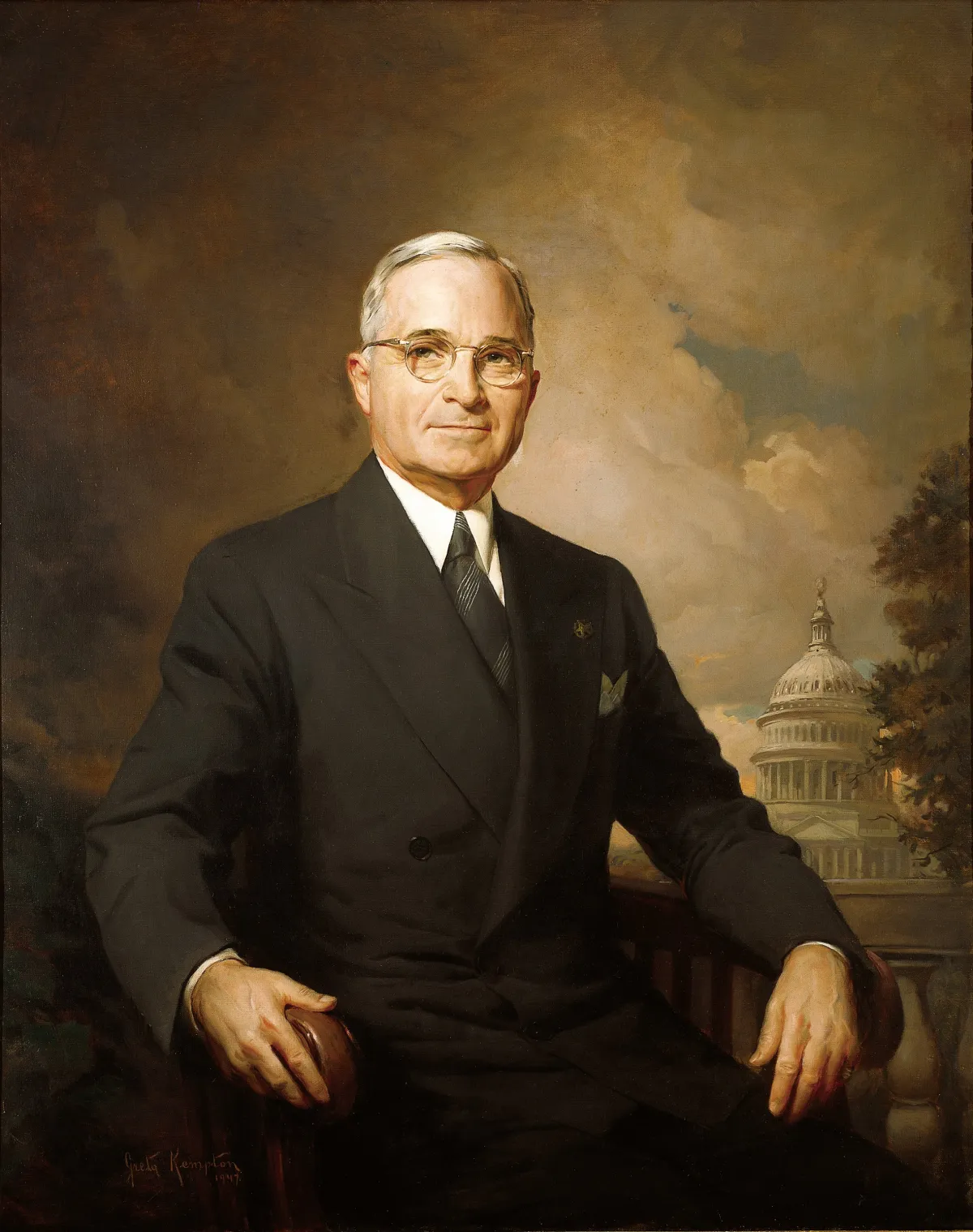 Photo: President Truman, via i0.wp.com
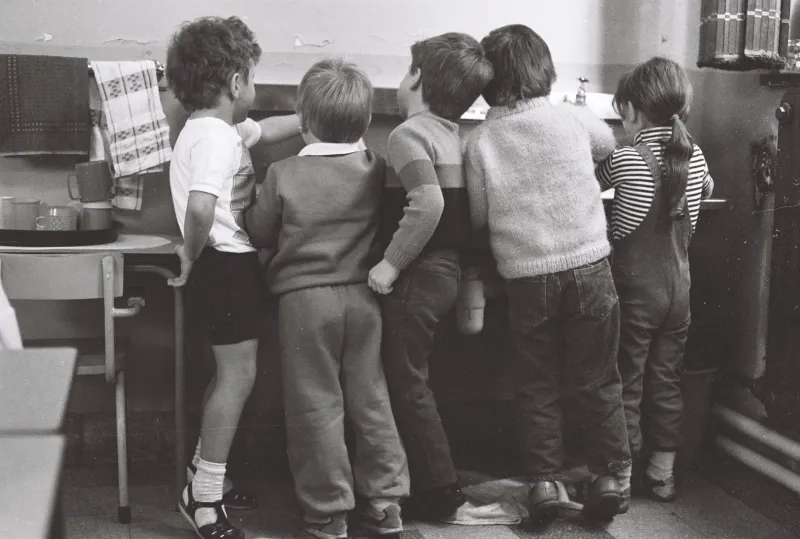
The program was a genuine social good. It provided subsidized meals to millions of kids who might otherwise have gone without, and it established for the first time that the federal government had a role to play in what American children ate at noon. At its best, it meant that a kid from a struggling family could sit down to the same meal as everyone else.
For a while, school cafeteria food was reasonably wholesome — if not exactly exciting. Tray lunches featured cooked vegetables, milk, a protein, a starch. It wasn't gourmet, but it was food in the traditional sense of the word.
Then came the 1970s and 1980s, and the cafeteria got complicated.
How Processed Food Took Over the Tray
As food manufacturing scaled up and cost pressures on school districts increased, cafeteria menus drifted steadily toward processed convenience. Pizza. Chicken nuggets. Tater tots. Flavored milk. Packaged desserts. The guiding principle shifted from nutrition to palatability and price. Kids would eat it. It was cheap. That was enough.
By the 1990s, many school districts had gone further, signing contracts with fast food chains and vending machine companies to generate revenue. Coke and Pepsi paid for naming rights to scoreboards; in return, their products filled hallway machines. Pizza Hut and Taco Bell logos appeared on cafeteria menus. A child's school lunch had become a commercial opportunity.
The nutritional results were predictable. Childhood obesity rates climbed steadily from the late 1970s onward. By 2000, they had tripled compared to the 1970s. The cafeteria wasn't the only cause — sugary drinks, sedentary habits, and changes in home eating all played roles — but it was a visible and politically actionable one.
The Pendulum Swings Back
The backlash arrived in full force in the 2010s. The Healthy, Hunger-Free Kids Act of 2010 directed the USDA to update nutrition standards for the first time in decades. The changes — more whole grains, more fruits and vegetables, less sodium and saturated fat — were championed by Michelle Obama's "Let's Move" campaign and became one of the more visible domestic policy initiatives of the Obama years.
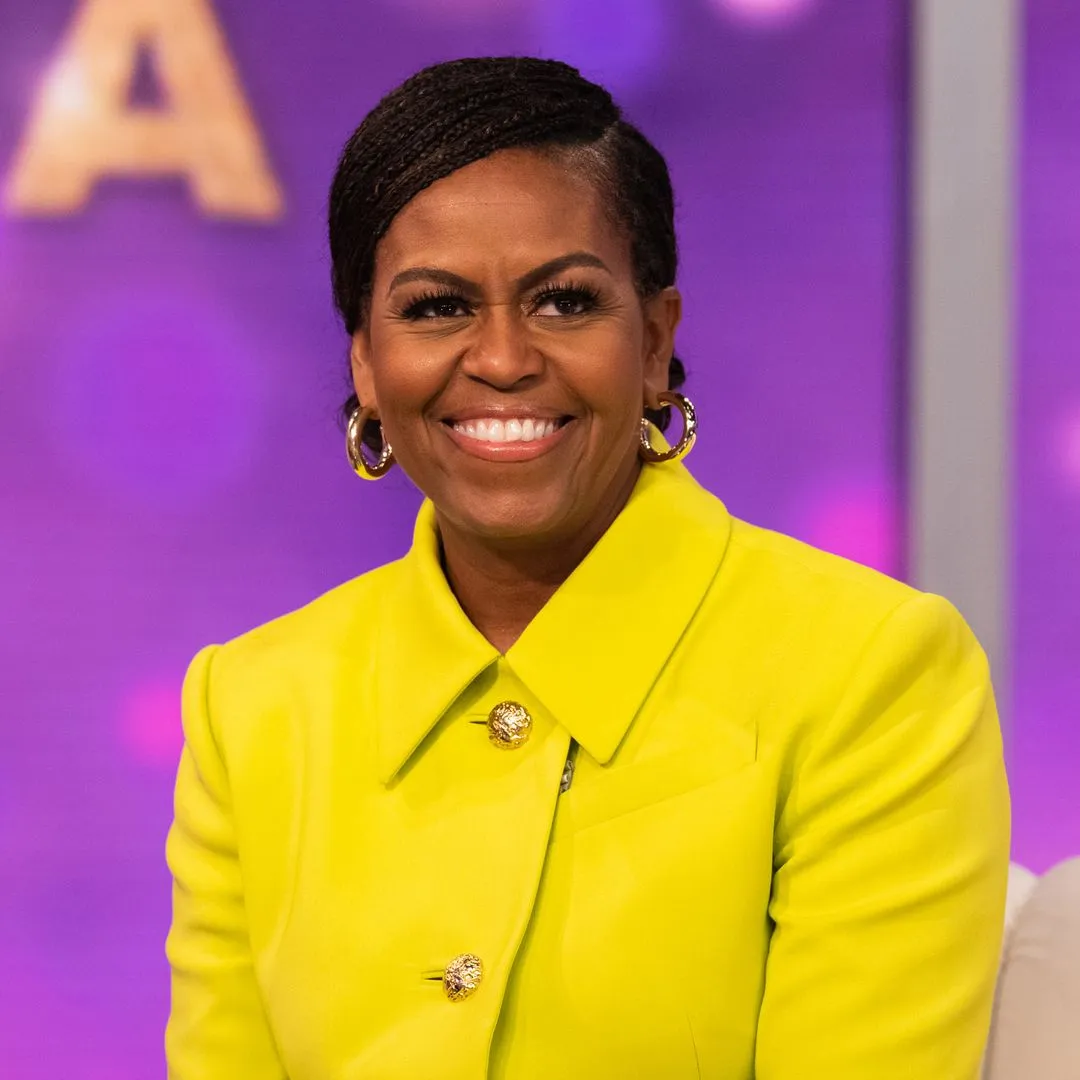 Photo: Michelle Obama, via www.hola.com
They also became, improbably, a political flashpoint. Critics called the new standards government overreach. Students posted photos of unappetizing trays on social media. School food service directors complained about costs and waste. Supporters pointed to data showing that kids were actually eating more fruits and vegetables when they were offered.
The farm-to-school movement added another dimension. Driven by parents, chefs, and local food advocates, it pushed to reconnect cafeterias with regional agriculture — sourcing produce from nearby farms, introducing scratch cooking, teaching kids where food comes from. In some districts, it worked beautifully. In others, budget realities made it aspirational at best.
A Meal That Carries More Than Food
What's remarkable about the school lunch story isn't just how much the food itself changed — from a sandwich in a tin pail to a tray of processed shapes, and now toward something in between. It's how much meaning got loaded onto something as basic as feeding a child in the middle of the day.
School lunch is now a conversation about government responsibility and parental rights. About corporate influence in public institutions. About food deserts and childhood poverty. About whether nutrition policy is nanny-state overreach or basic public health. A child's midday meal has become a proxy for nearly every major cultural tension in contemporary American life.
Your great-grandmother packed a sandwich and an apple and didn't think about any of this. She probably didn't need to. But the fact that we do think about it now — the fact that we argue about it, legislate it, and debate it on cable news — says something worth sitting with.
Somewhere between the tin pail and the culture war, feeding kids got very complicated. Whether that complexity has made them healthier is a question America is still working out.