The Grease-Stained Index Card That Taught America to Cook
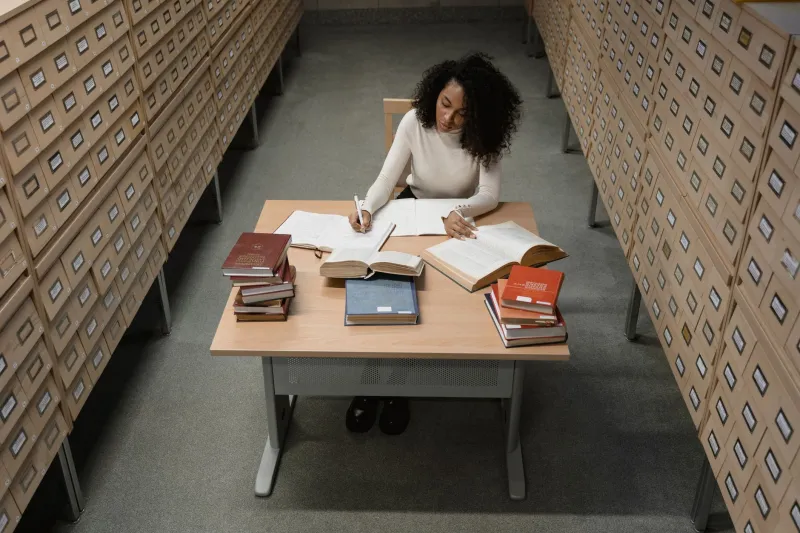
Somewhere in almost every American family, there's a box. Maybe it's metal, painted with faded roosters or sunflowers. Maybe it's just a wooden thing with a cracked lid. Inside: a stack of index cards, some typed on a manual typewriter, most written by hand in ink that's bled a little at the edges. A few are stained with vanilla extract or tomato sauce, which is how you know they were actually used.
Those cards were the entire culinary inheritance of a household. Everything a family knew about feeding itself, distilled into a few hundred handwritten lines.
Now we have seventeen cooking apps, forty streaming shows about food, AI that generates recipes from whatever's in your fridge, and meal kit boxes that arrive with pre-measured spice packets. And somehow, a lot of Americans still don't know how to cook.
The Recipe Card as Family Document
The handwritten recipe card was never really just a recipe. It was a transmission.
When a mother wrote down her pot roast instructions for a daughter setting up her first apartment, she wasn't just listing ingredients. She was encoding years of knowledge — the particular way she'd learned to judge whether the oil was hot enough by the sound it made, the instinct about when to add the onions, the adjustment she'd made after one disastrous Thanksgiving that nobody talked about anymore. The card was shorthand for a hundred small lessons that had been absorbed by standing in the same kitchen, watching the same hands do the same things over and over.
This is the part that's genuinely hard to digitize.
American home cooking for most of the twentieth century was learned through proximity. You cooked alongside your mother, your grandmother, your aunt. You watched. You asked questions. You made mistakes and had someone standing next to you to explain what went wrong. The recipe card was a reference, not a teacher — a way to jog your memory about something you'd already seen done in person.
By the time the card was grease-stained, you probably didn't need it anymore.
When Cookbooks Arrived, Then Television, Then Everything Else
The shift didn't begin with smartphones. It began much earlier.
Julia Child's television debut in 1963 marked a turning point in how Americans related to cooking instruction. Suddenly, you could watch someone cook without being in the same room. The knowledge was still embodied — you could see her hands, hear her voice, understand the texture she was going for — but it was no longer personal. It was broadcast.
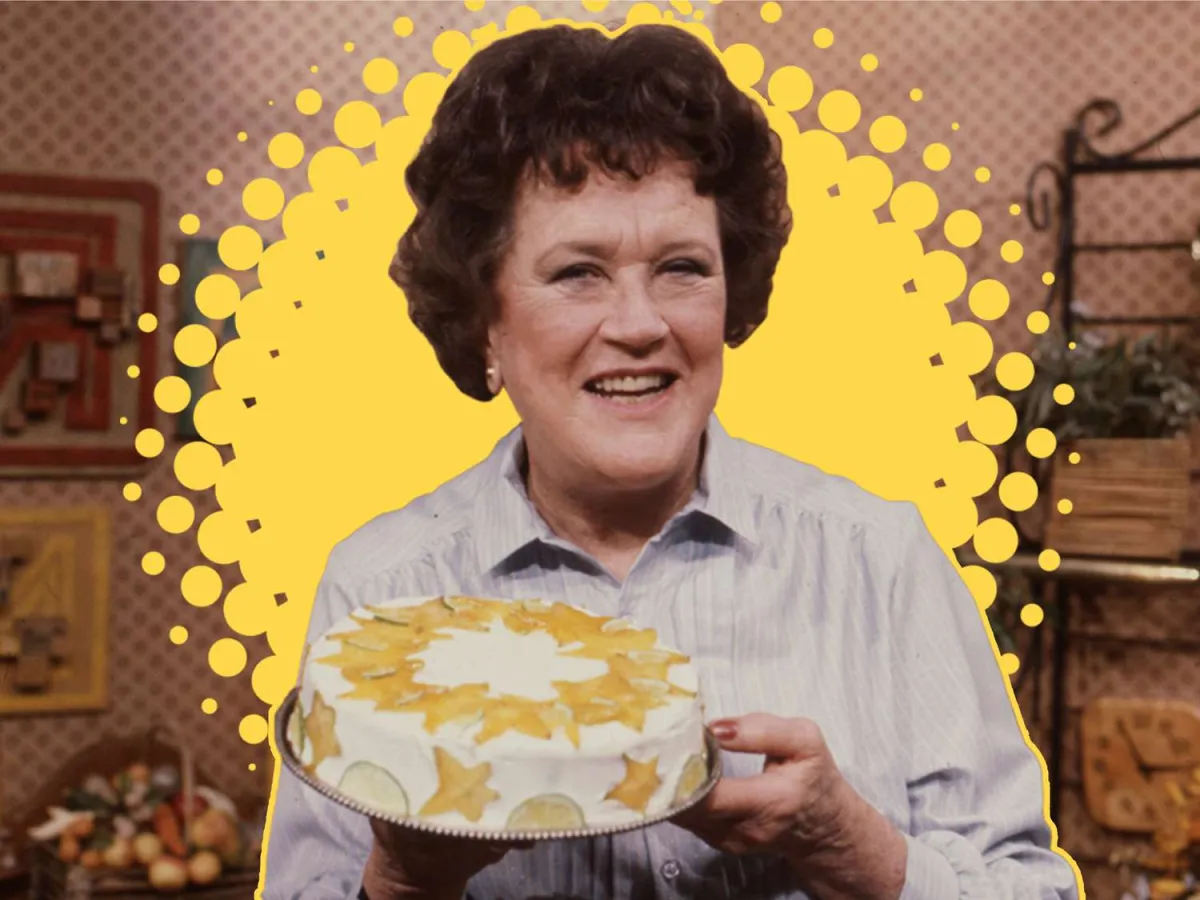 Photo: Julia Child, via www.allrecipes.com
Cookbooks had been around for generations, of course. But the mid-century boom in American cookbook publishing coincided with a broader shift: cooking was becoming something you learned from a text rather than a person. The knowledge was being externalized, moved from the kitchen to the page.
Cable food television in the 1990s accelerated this. The Food Network launched in 1993 and turned cooking into entertainment as much as instruction. Watching Emeril Lagasse was fun. It was also, for many viewers, entirely passive. You watched. You didn't necessarily cook.
 Photo: Food Network, via s10019.cdn.ncms.io
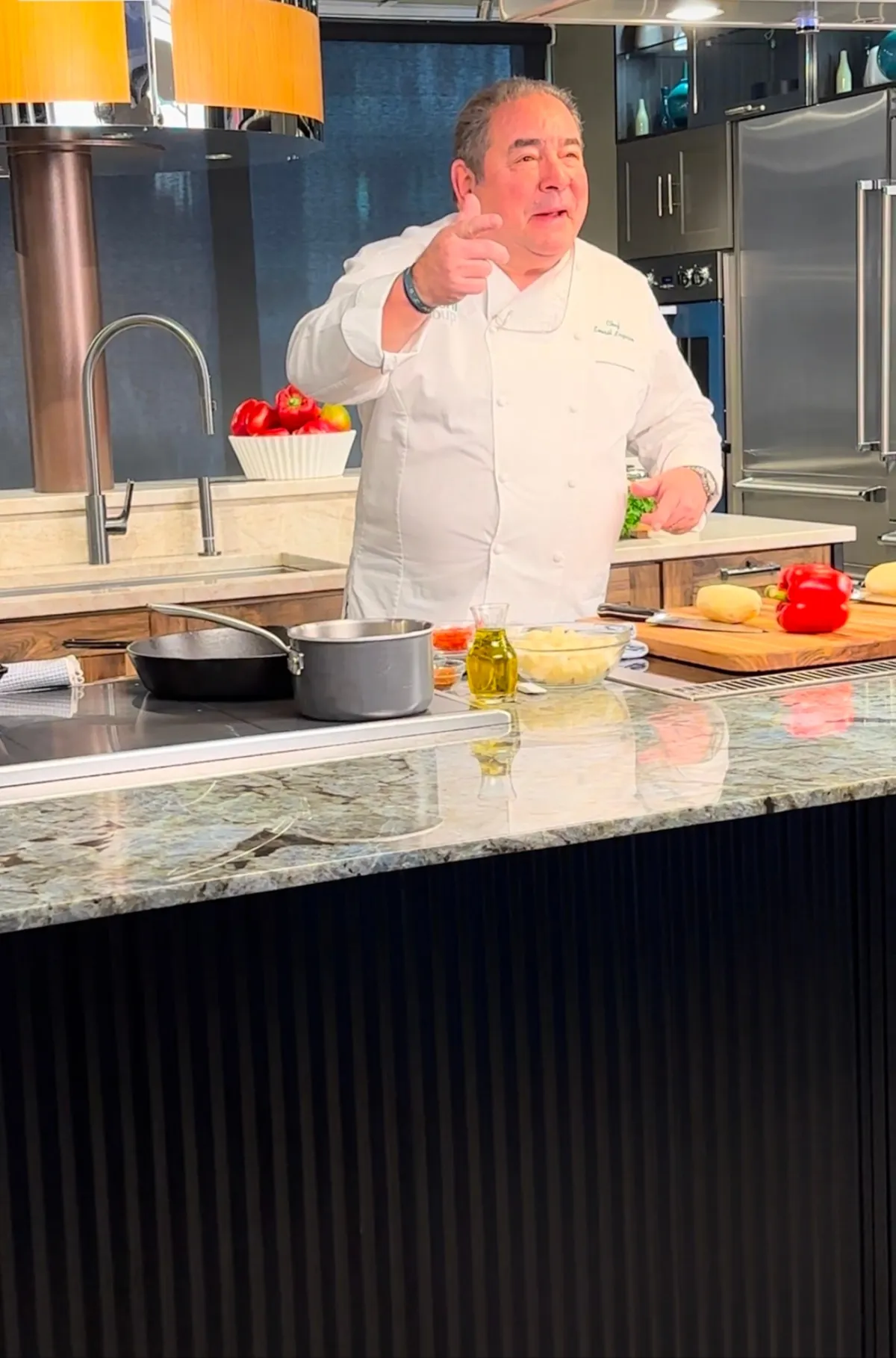 Photo: Emeril Lagasse, via i.abcnewsfe.com
The internet arrived and made information about cooking essentially infinite. Today, if you want a recipe for anything — anything at all — you can find seventeen versions of it in about four seconds. YouTube will show you how to break down a whole chicken, make croissants from scratch, or properly season a cast iron pan. The information has never been more accessible.
So Why Can't We Cook?
Here's the uncomfortable question: with more cooking content available than any human could consume in a lifetime, why has home cooking in America actually declined?
According to research from Harvard and the American Time Use Survey, Americans spend less time cooking today than they did in the 1960s. Processed and prepared food consumption has risen steadily. The meal kit industry — which essentially pre-digests the planning and prep work of cooking into a series of simple steps — has grown into a multi-billion-dollar business, which tells you something about how confident Americans feel in their own kitchens.
Part of the answer is time. Modern American life is genuinely more compressed than it was in 1965. But part of the answer is that infinite information is not the same as knowledge, and knowledge is not the same as skill.
The recipe card worked not because it was a superior format, but because of everything surrounding it. The person who wrote it was usually still alive and reachable. The techniques it assumed you already knew had been demonstrated to you in person. The gaps in the instructions — and there were always gaps — could be filled in by memory or by picking up the phone.
An algorithm-generated recipe has no gaps, but it also has no grandmother. It can tell you to sauté until golden but it can't show you what golden actually looks like in your particular pan on your particular stove with your particular olive oil.
What Meal Kits Got Right and Wrong
Meal kit services like HelloFresh and Blue Apron aren't without merit. They've introduced millions of Americans to ingredients and flavor combinations they might never have encountered otherwise. The pre-portioned approach removes the intimidation of shopping and measuring, which genuinely lowers the barrier to cooking something from scratch.
But they've also, somewhat ironically, reinforced the idea that cooking requires external scaffolding — that you need someone to tell you exactly what to do, in what order, with no judgment required and no improvisation expected. That's not really cooking. That's assembly.
The grandmother with the recipe box improvised constantly. She substituted when she was out of something. She scaled up for a crowd and scaled down when it was just the two of them. She knew when to trust the recipe and when to trust her nose. That kind of confidence doesn't come from an app. It comes from years of practice, and from someone teaching you that it's okay to make a mess and try again.
The Card Isn't Coming Back. But Maybe the Lesson Is.
There's a quiet revival happening in American kitchens. Sourdough starters multiplied during pandemic lockdowns. Younger home cooks are turning to YouTube not just for recipes but for technique — watching how to properly hold a knife, how to build a sauce, how to understand heat. Some of it is genuinely good instruction.
And some people are pulling out those old recipe boxes and actually making the food inside them — not because it's more efficient than a cooking app, but because there's something in those stained, faded cards that a search result can't provide.
The knowledge is still there. It just needs someone willing to stand in the kitchen long enough to receive it.